Work Demands - Work Routing - Important Work Waits
Your Team Is at Capacity. Find Out Where the Capacity Is Going.
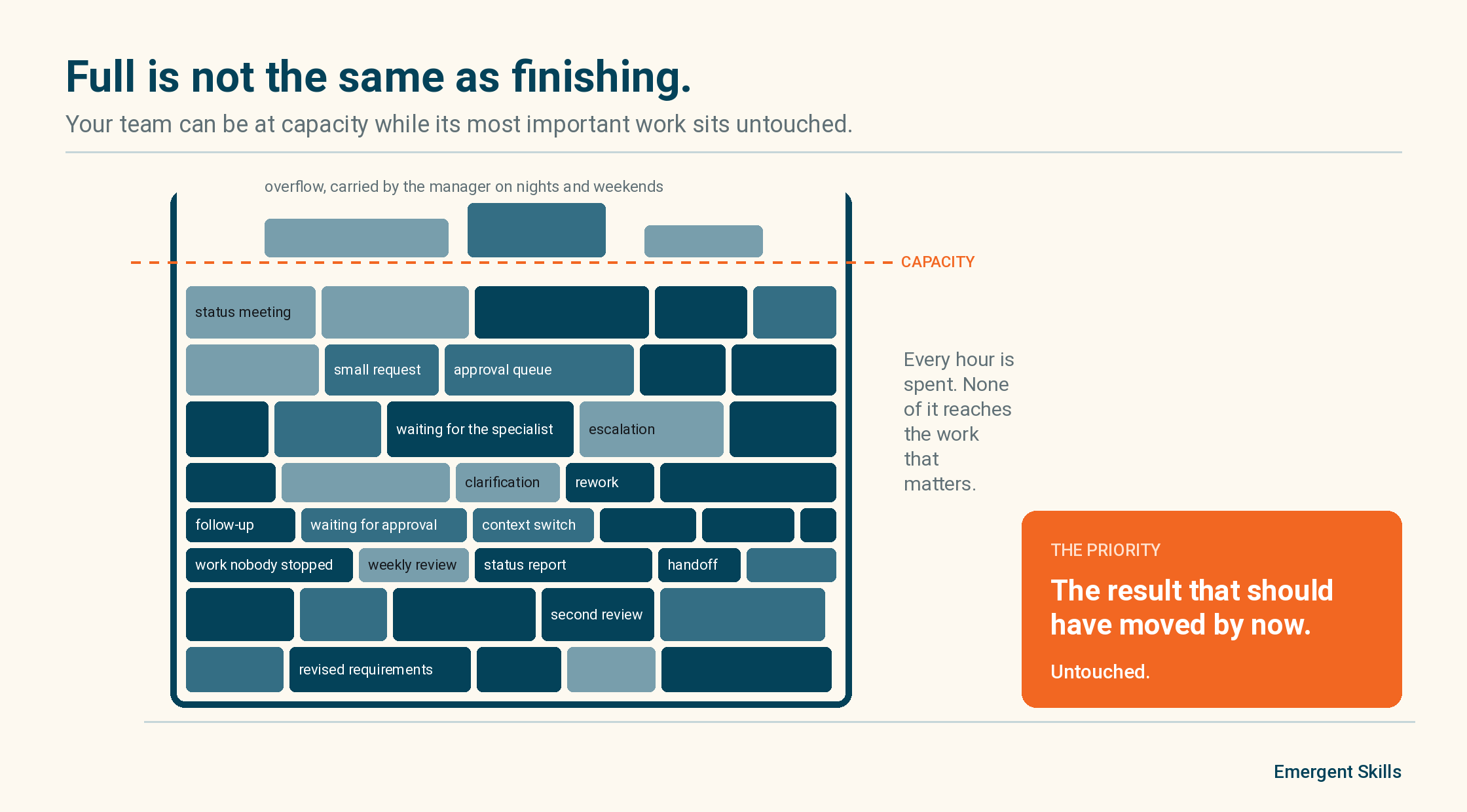
Your team can be at capacity while its most important work sits untouched.
The work keeps arriving. Deadlines don't move. The team says it can't take on anything else, and the manager starts absorbing the overflow at night or on weekends.
When a team has too much work, the usual responses are predictable: push harder, request more people, or move the deadline. Any of those could be right. None should be the automatic answer.
Before deciding that the team needs more capacity, find out what is consuming the capacity already there.
"At capacity" describes the symptom
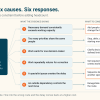
A team at capacity got there by one of several routes.
- There is more necessary work than the available people can reasonably complete.
- Too many projects are active at the same time, so each one spends more time waiting.
- Decisions and approvals route through one overloaded manager or specialist.
- Missing information, changing requirements, or unclear acceptance criteria keep sending work back.
- Meetings, status reporting, and constant switching consume the hours that team capacity planning counted as usable work time.
- Interruptions, switching, and a steady load of small decisions make the work in hand slower and less reliable than the hours suggest.
- Work that is no longer important remains open because nobody has decided to stop it.
Those problems can look identical on a dashboard. Utilization is high, deadlines slip, and the backlog grows. People report that they are overloaded.
But the fixes are different. Hiring helps a real shortage of people. It leaves an approval queue or a priority conflict exactly where it was.
Start with what the team should stop carrying
Melody Wilding's HBR article describes a chief legal counsel whose company closed three acquisitions in his first year. His team told him it was at capacity, so he absorbed the overflow on nights and weekends until it displaced the strategy work he was hired to lead. Her first recommendation is to bring the team into deciding what gets paused, reduced, or dropped.
The people handling the work usually see burdens that a portfolio report misses. They know which review adds nothing, which weekly meeting continues after its purpose has gone, and which supposedly small request creates hours of follow-up.
Ask them:
- What work would we not start today if we had the choice again?
- What is waiting for a decision rather than active work?
- What keeps coming back for clarification or revision?
- Which work can move only when one particular person is available?
- What meetings and reports continue because nobody has stopped them?
- What new demand entered without anything else leaving?
This is more useful than asking everyone to "manage priorities." A team can't resolve a priority conflict that leadership has left unresolved. It can only guess which commitment is safest to disappoint.
Trace one important result through the work
A general workload discussion can turn into competing impressions. One person sees a staffing shortage. Another sees weak execution or a difficult stakeholder.
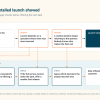
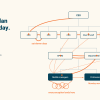
Choose one important result that is late, partly delivered, or launched but underused. Reconstruct what happened from the expected result to the current position.
Record:
- The main work steps and handoffs
- When active work started and stopped
- Where the item waited and for how long
- Which decisions or approvals were required
- What came back, changed, or had to be done again
- Which other priorities competed for the same people or decision route
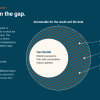
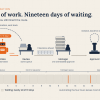
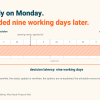
Separate hands-on work from elapsed time. A result may have taken months to complete without requiring months of labor. If most of that time was spent waiting, find out what held the work there before deciding where to add people.
Waiting time delays the result. It doesn't, by itself, prove there are staff hours to recover. The people involved may be fully occupied on other work.
Look at the active stretches too. If the work was in hand but moved slowly, came back with errors, or needed repeated checking, ask what the people doing it were carrying at the same time.
This is the difference between recording team workload and explaining why the work is not moving.
Two routes to the same delay
The trace usually shows delay arriving by one of two routes. They call for different responses, and they can occur together.
The work path itself. Approval queues, incomplete handoffs, conflicting priorities, and repeated reviews hold up work even when everyone involved is doing the job well. The item waits for a decision, returns for a missing input, or loses its turn to another priority. Dates, handoff records, and revision histories can show this directly.
The conditions people work under. Constant interruptions, switching between projects, a steady stream of small decisions, and no time to recover can make judgment, focus, and communication harder to use consistently. The work is active, but it takes longer, contains more errors, or needs more checking. Treat this as something to investigate, not something a full calendar proves.
The two routes can feed each other. Waiting creates chasing and switching, and chasing and switching add demand. If that added demand makes the work less reliable, mistakes and repeated checking create more waiting. Bad work paths wear people down, and worn-down people can make the work path worse.
A finding on the first route stands on its own. If the trace shows the work waited for one approval, that holds whether or not anyone was worn down. Keep the second route open until the evidence supports it.
Match the response to the constraint
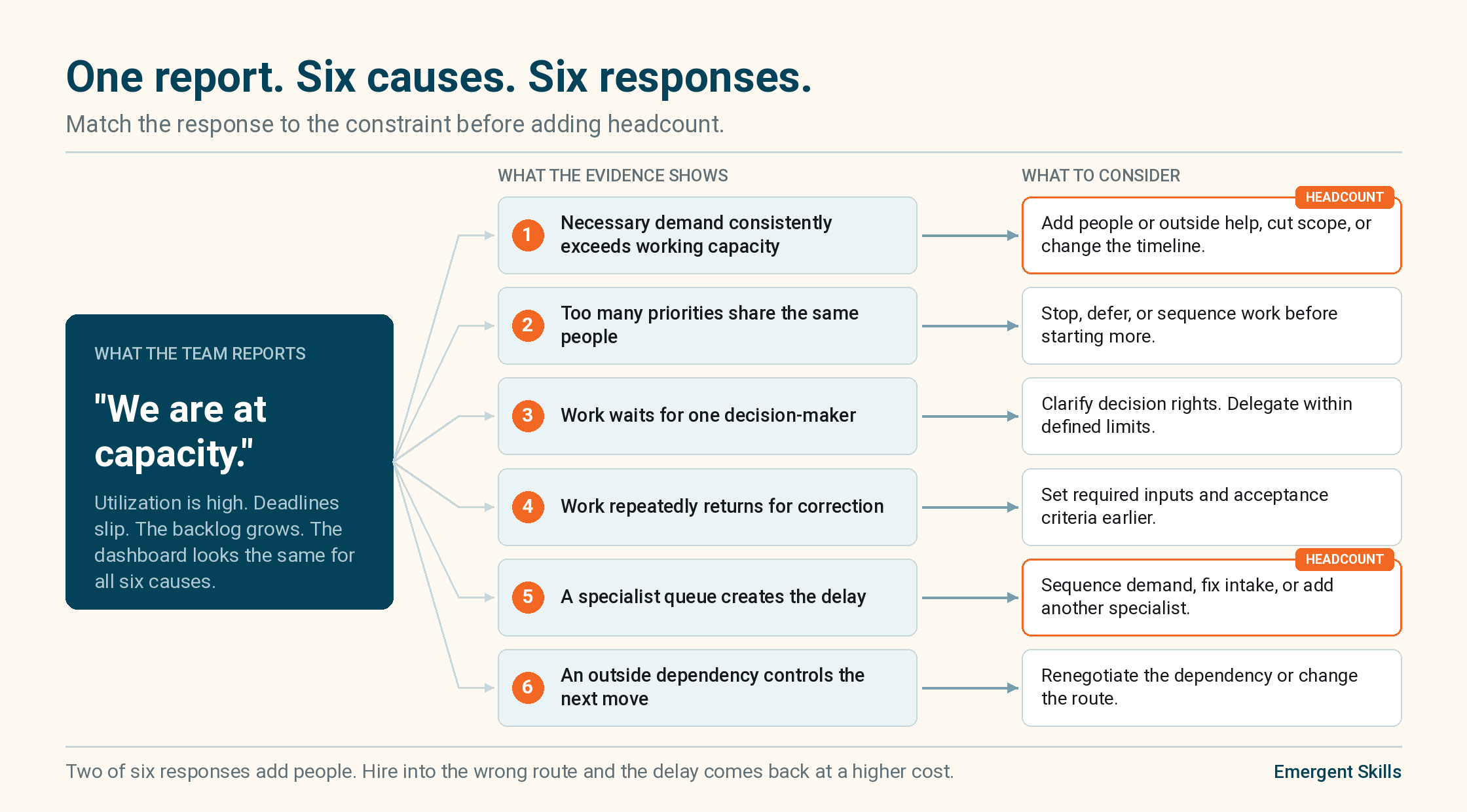
| What the evidence shows | What to consider |
|---|---|
| Necessary demand consistently exceeds available working capacity | Add people or outside help, reduce scope, or change the timeline. |
| Too many priorities share the same people | Stop, defer, or sequence work before starting more. |
| Work waits for one decision-maker | Clarify decision rights, delegate within defined limits, or create an escalation rule. |
| Work repeatedly returns for correction | Set the required inputs and acceptance criteria earlier. |
| A specialist queue creates the delay | Sequence demand, improve intake, or add another specialist. |
| Active work runs slow and returns with errors under constant interruption and switching | Reduce parallel assignments, protect blocks of uninterrupted work, and check whether rework drops before adding people. |
| An outside dependency controls the next move | Renegotiate the dependency, change the route, or stop pretending the date is still under the team's control. |
Headcount should follow the constraint. Otherwise the organization hires more people into the same overloaded route and reproduces the same delay at a higher cost.
Do not turn the manager into the overflow system
When a team cannot absorb more work, the manager often becomes the buffer. They take back difficult assignments, attend every review, and finish their own work after everyone else signs off.
The cost shows up in the work the manager no longer has time to do.
Strategic work gets displaced. Decisions bunch up between meetings. Team members learn that ownership still ends with the manager. The result is a manager bottleneck: the same person is the rescue route and the constraint.
Delegating tasks without the authority to make the necessary decisions does not create capacity. It creates another handoff.
Check whether too many projects are creating the shortage
Organizations often treat every approved project as if it comes with its own people. It does not. Five projects can share the same finance reviewer, technical specialist, or executive sponsor.
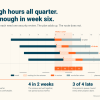
Each project can look adequately staffed by itself while the shared route is overloaded across all five. New work starts faster than finished work leaves. Status meetings multiply. People switch between priorities, and every project slows down together.
Before approving another start, review the cost of running too many projects at once. Ask which current result must finish first and what will stop when the new work enters.
When does a team really need more people?
A team needs more people when necessary work consistently exceeds its available hours or the specialist skills it has. Make the case by showing that work. Good resource capacity planning should make the shortage visible.
That case is easier to defend than "everyone is busy." It connects the request to the work that must finish, the constraint preventing it, and the result the added people should change.
For any change, name who owns it, what result you expect, and when you'll review it.
One stalled result is enough to start
You don't need to diagnose the whole organization before acting. Start with one priority that should have moved by now.
The Stalled Priority Snapshot reconstructs the route and separates working time from waiting and rework. It checks competing explanations and identifies the next decision or test. If the same pattern appears across several priorities, that is evidence of a broader work-demand problem.