Operations Consulting - Recurring Operational Problems
Why Do These Ten Operational Problems Keep Coming Back - and What Should You Check First?
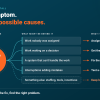
The invoices need correcting again. Approvals have stalled again. Before repeating the last fix, check what happened and whether the same explanation still fits.
Executive Summary Check what happened before repeating the last fix +
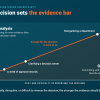
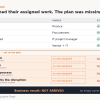
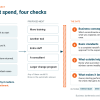
When a problem returns, start with the previous fix. Was it carried out? Did it last? Then compare recent failures with cases that went right. The same symptom can have a different cause.
These ten examples show where to start. They're illustrative situations, not ES client cases.
You've fixed this one before. There was a task force, a new checklist and a round of retraining. For a while, the problem seemed to go away.
Now it's back. Before asking people to repeat the exercise, establish whether the same failure has returned. Two incorrect invoices can have different causes. Two late orders can have waited at different steps.
Repeated cases give you something to compare, provided the records are usable. Start with a manageable set of recent occurrences and some comparable cases that went right. Reconstruct the work before deciding why it failed.
Ten recurring operational problems: checks and possible next steps
1. The same orders get expedited every month-end
Pull the expedited orders from the last few month-ends. Where were they waiting before someone stepped in? Compare them with orders that arrived on time. Look for missing information, stock shortages and last-minute priority changes.
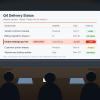
When complete orders keep sitting in the same queue, try reviewing that queue more often. Watch the other orders too. Expediting one group may just make another group late.
2. Invoices go out wrong and get reissued
Take a batch of recent invoice corrections and group them by error. Wrong price? Wrong quantity? Wrong customer details? Trace the common errors back to where they entered the invoice, then compare with invoices that were right.
A bad price record needs correcting, and someone needs to maintain it. Reissuing invoices won't do that. Check the next batch to see whether the error has stopped.
3. Engineering changes reach the floor after the parts are built
Follow a late change from approval to the instruction used on the floor. Which version did production receive, and when? Find out who was supposed to pass it on and what was decided about parts already being built.
An approved change that never reaches production calls for a better handoff and confirmation of receipt. Production and quality owners should decide which affected builds need to pause.
4. The "one-time" inventory write-off is back
Group recent write-offs by part, location and reason. Damaged goods, obsolete stock and a count that doesn't match the records are different problems. For count discrepancies, follow the receipts, stock movements and adjustments.
Find where the physical stock and the record part company. Correct that step and check later counts. More counting won't resolve a purchasing decision that keeps leaving obsolete stock on the shelf.
5. Escalations land on the same three people
Look at what those people actually provide: specialist knowledge, approval, missing information or a decision. Do the escalations have to reach them, or has everyone got used to asking them?
Where someone else can take on the work, define what they can decide and when they still need help. Also check whether interruptions are contributing to mistakes. Being busy doesn't establish the cause.
6. Approvals pile up whenever one VP travels
Compare approval times during travel with ordinary weeks. Is there a delegate? Can that person see the information and approve the request in the system? A name on a delegation list is little help without access.
Make the delegation usable within the company's controls. Check incomplete submissions as well; some requests may still wait even with an available approver.
7. Sales promises lead times operations can't hit
Start with the quote on a missed order. What delivery information could the rep see at the time? Was it current? Did stock, production capacity or the customer's request change afterward?
If reps are quoting from stale information, assign someone to keep it current at a frequency the business needs. Measure whether promised dates become more reliable, as well as how quickly quotes go out.
8. The same audit findings return every year
Read the last corrective action and the evidence used to close it. Was the work finished? Did anyone check that the control kept operating after the finding was closed?
An unfinished action needs completing. A control that fell out of use needs someone responsible for maintaining it. A control that operated and still failed needs its design reconsidered.
9. Shift handoffs drop the same information
Watch a handoff and follow a few missed items. Was the information available, written down and received? Could the next shift act on it? Compare with handoffs that worked, including the time available and interruptions.
Change the record where information is missing, then check whether the next shift can use it. Another signature won't tell you whether the information is right.
10. Every new customer hits the same credit-check delay
Follow recent credit checks from request to decision. Separate requests started late from missing information, internal queues and waits for outside responses. Compare similar accounts that cleared on time.
Starting earlier can help when late requests cause the delay and the required information and permissions are available. Check that it improves first-order delivery without creating piles of checks for deals that never happen.
Did the previous fix hold?
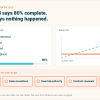
Reissuing an invoice resolves that invoice. It doesn't establish that the source of the error changed. Go back to the last corrective action: what was supposed to change, who was responsible, and what happened afterward?
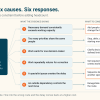
Check whether the people doing the work had the information, skills, authority and resources they needed. Follow the waits and handoffs. A supplier's response or an unresolved decision may explain more than another round of training.
Interruptions and competing demands can also contribute to errors. Compare the same team's work during ordinary periods and periods with those demands. Look for the pattern in other people doing similar work. Changing the conditions and checking whether both the disruption and errors fall gives you stronger evidence than asking whether everyone feels overloaded.
Keep looking at cases that don't fit your explanation. They may show you what you've missed.
Before you fund the fix, find the right problem.
Agree what happens next
Write down what you think is happening, the records behind it and what would change your mind. Choose an action that follows from that evidence. Sometimes that's completing an overdue correction. Sometimes you need one missing record before deciding.
Give the action an owner and a review date that fits the work. Check the result where it matters: shorter approval waits haven't helped much if orders now sit in scheduling.
Keep cost estimates clear. Extra work, delivery delays and the cost of the fix are different things. Avoid counting the same hours twice, and don't call time saved a cash saving unless spending actually falls.
Your operations leader, PMO or improvement team may be able to handle this. If the cause is already established, act on it. Another investigation needs a reason.
Still unclear why the problem returns?
Emergent Skills is an operations consulting firm. We investigate why projects stall, results fall short, and problems keep coming back.
The Stalled Priority Snapshot looks at one important result. For $1,500, you get a 90-minute session with up to three participants and a written readout within 24 hours. It explains what the evidence supports, what's still uncertain, costs we can establish and the next step we recommend. If the cause is still unclear, we say what needs checking.
We agree any optional written input from six to eight contributors before booking. A 15-minute walkthrough and follow-up after an agreed test or evidence review are included. You don't have to run a test or book further work.
See the Stalled Priority Snapshot
Related reading: Why projects fail and what to check first .