Decision making under uncertainty
How To Make Decisions Under Uncertainty: You Don't Need the Full Answer
When several explanations are still plausible, the job is to decide what the evidence justifies doing next.
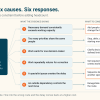
A project is behind. One team says approvals are slowing the work. Another says competing priorities are the problem. Someone else thinks the original plan was unrealistic. Management still has to decide what happens next.
Making decisions with incomplete information doesn't mean guessing. Waiting until every cause is settled can look disciplined, but it can also become another form of delay.
The useful question: what does the evidence justify deciding now?
A believable explanation is not a finding
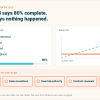
Stalled projects rarely suffer from a shortage of explanations. People close to the work have theories. Status meetings produce more of them. AI can produce another set in seconds.
The hard part is deciding which explanation deserves to influence the next commitment.
Suppose a project is three months late and everyone believes the approval process caused the delay. That may be right. Before changing the process, look at what actually happened:
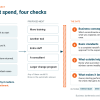
- How much time did the work spend waiting for approval?
- Did useful work continue elsewhere while it waited?
- Were required inputs complete before approval began?
- Did comparable work without the same approval move faster?
- What should change if the approval step is the controlling problem?
Sometimes the record backs the explanation. Sometimes it shows that approval delay is real but too small to explain the result.
Once the record answers that, stop analyzing. The check has one job, which is to keep a plausible story from being treated as though it were already established.
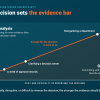
The decision sets the evidence bar
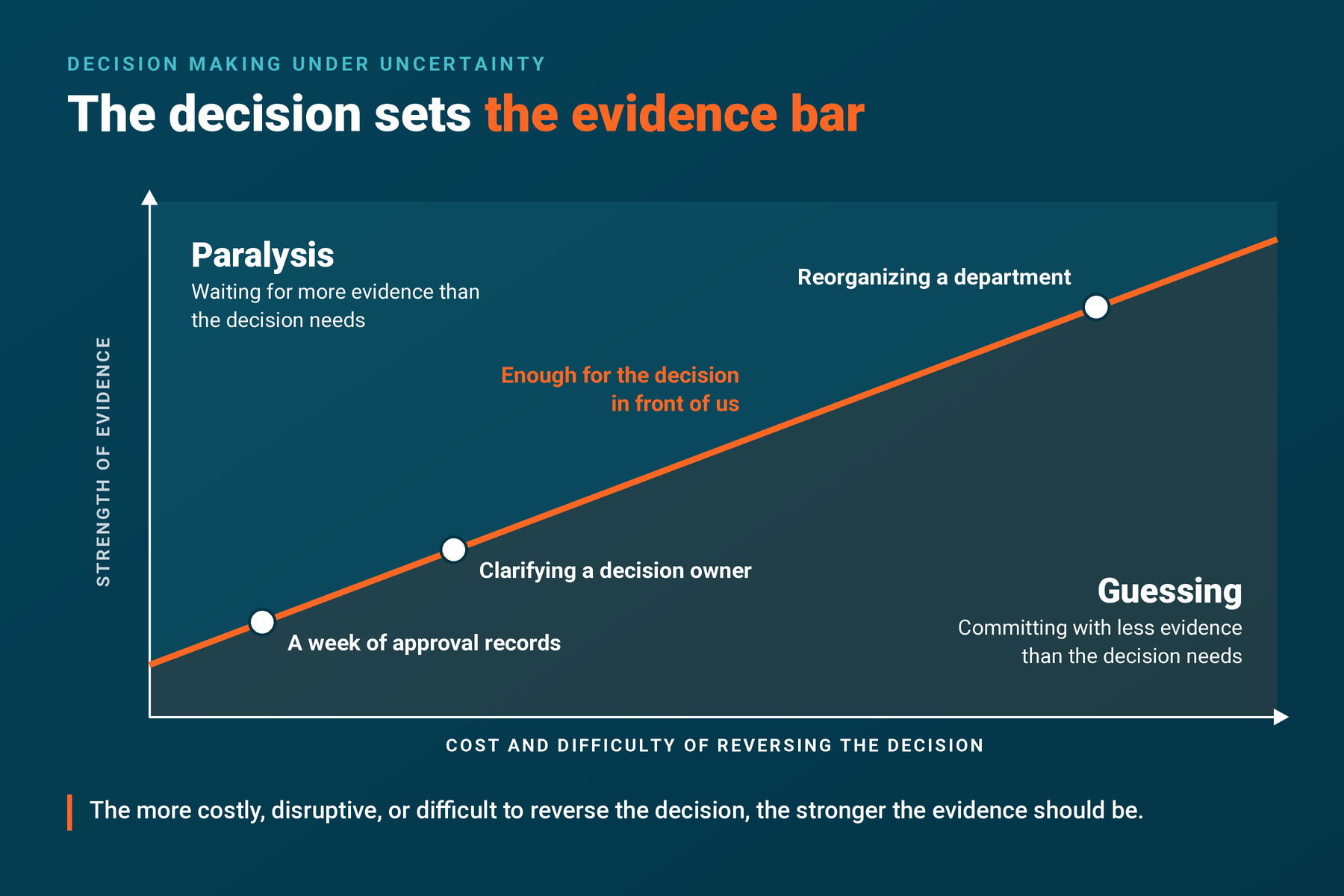
Different decisions deserve different amounts of evidence.
Reorganizing a department around a suspected problem costs real money and is hard to undo. The case should be strong before management commits.
Examining a week's worth of approval records is different. It's cheap, and it may settle an important question quickly.
So is clarifying a decision owner when the gap is already supported by the record. If the correction is obvious and carries little downside, another study may add no value.
The more costly, disruptive, or difficult to reverse the decision, the stronger the evidence should be. A small evidence step can justify action with less certainty when the downside is limited and the step is easy to change.
The standard is not, Do we know everything?
It is, Do we know enough for the decision in front of us?
That keeps uncertainty from becoming either an excuse for paralysis or an excuse for guessing.
A useful parallel from AI research
AI makes explanations cheaper. Verification is still scarce.
A 2026 working paper, Some Simple Economics of AGI, makes a related point about artificial intelligence. The authors are Christian Catalini of MIT Sloan, Xiang Hui of Washington University, and Jane Wu of UCLA.
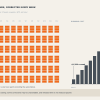
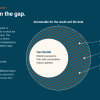
Their model examines what happens as measurable execution becomes extremely cheap while human verification remains constrained by time and experience. AI can produce more work than people can reliably inspect, so the ability to determine whether an output is correct and fit for purpose becomes a scarce resource.
MIT Sloan's discussion of the paper also points to a problem with using AI to check AI. A second system agreeing with the first isn't independent evidence by itself. If both share assumptions, they can reinforce the same error.
The paper is about AI economics, not stalled-project diagnosis. The management lesson is narrower: producing another explanation is getting cheaper. Establishing whether that explanation deserves to drive a decision still requires evidence from the work, the records, the outcomes, and the people who did it.
Use the shortest reliable path to better evidence
When the cause is uncertain, the next move can be an evidence step instead of a fix.
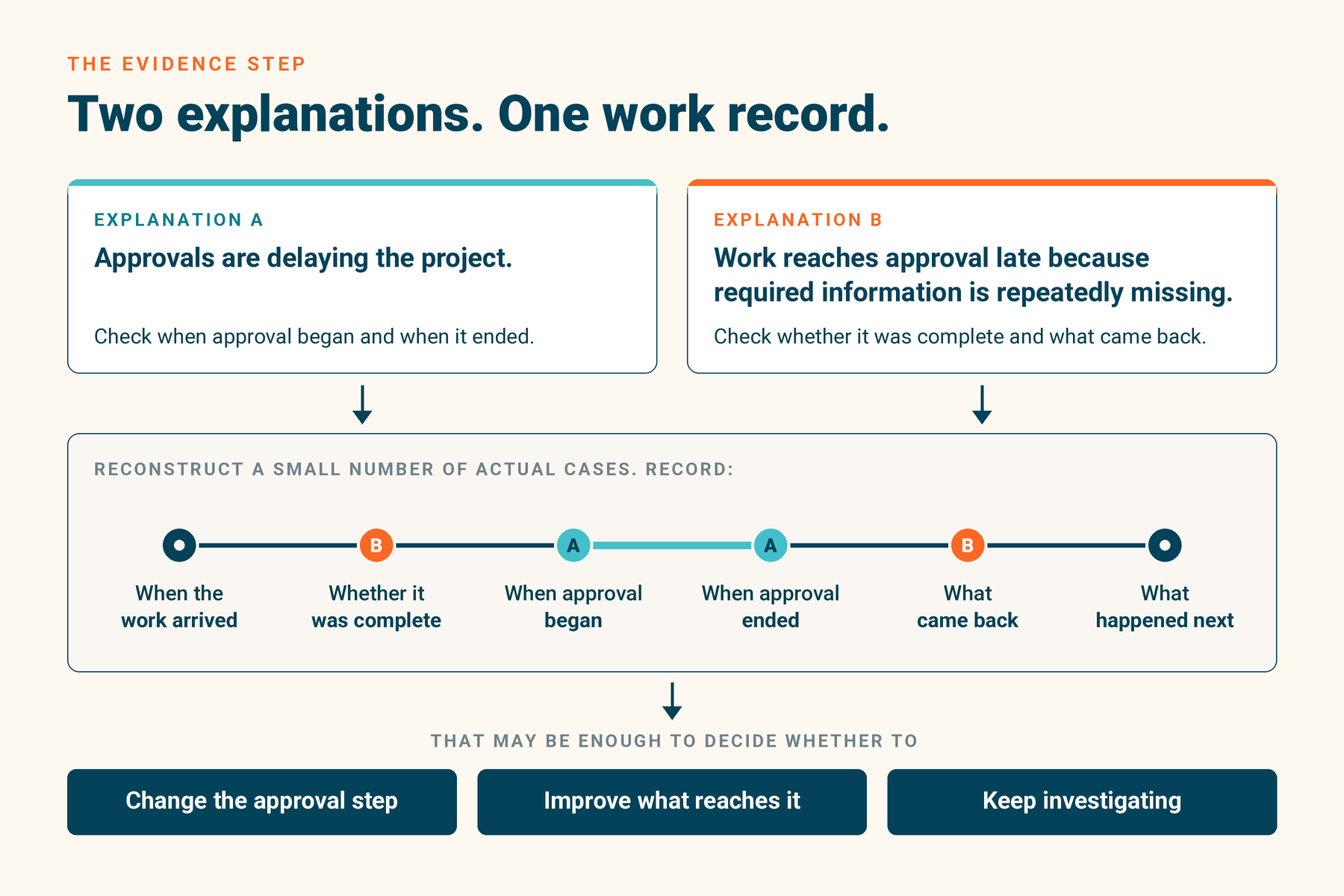
Suppose two explanations remain plausible:
- Explanation A: approvals are delaying the project.
- Explanation B: work reaches approval late because required information is repeatedly missing.
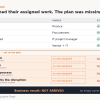
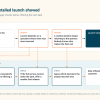
A manager may not need a six-week study to separate them. Reconstruct a small number of actual cases. Record when the work arrived, whether it was complete, when approval began, when it ended, what came back, and what happened next.
That may be enough to decide whether to change the approval step, improve what reaches it, or keep investigating.
Time matters too. When two evidence steps are similarly reliable, prefer the one that can change the decision sooner. Just don't trade reliability for speed. Ten quick opinions aren't necessarily better than one solid work record.
Sometimes the right decision is to stop
Investigations often begin with an unstated assumption: the project must be recovered.
That assumption deserves evidence too. The original business case may have changed. The expected result may no longer justify the remaining cost. A smaller result may now capture most of the value. Another initiative may deserve the people and money more.
Money already spent explains why the situation matters. It doesn't make the next dollar worthwhile.
Doing nothing isn't automatically neutral either. Continuing the current approach has a cost and belongs in the decision set.
The real choices may be to continue, change, narrow, gather evidence, make a simple correction, wait deliberately, or stop.
A useful investigation resolves what happens next
It's tempting to judge an investigation by whether it found the root cause. Real operating problems aren't always that tidy. Several conditions may interact. Some evidence may remain unavailable. A longer-term result may take months to appear.
The investigation can still be useful if it gives management a defensible next decision. It should make clear:
- what the evidence supports;
- what it doesn't establish;
- which credible alternatives remain;
- what could change the conclusion;
- what is economically at stake; and
- what decision or evidence step is justified now.
Where an owner and review point are known, record them. Where they aren't, don't invent them. The missing owner, date, or record becomes part of what has to be settled next.
You can make the next decision without the full answer. You need enough evidence to know why that decision is justified, and what would cause you to change it.
Research behind this article
The AI verification discussion above comes from the 2026 working paper by Christian Catalini, Xiang Hui, and Jane Wu. The MIT Sloan pieces below explain the paper for a business audience. They support the verification point used here. They aren't evidence for the Emergent Skills method or for a client outcome.
Have a priority that's stalled?
The Stalled Priority Snapshot takes one stalled priority, checks the competing explanations against the work record, and tells you what decision the evidence justifies now.