Intuition in Business Decisions
Trust Your Gut in Business?
You have the figures, but something about the decision feels wrong. Whether you should trust your gut depends on the patterns behind that feeling and how well you've learned them.
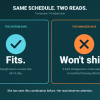
Imagine a production manager looking at tomorrow's schedule. The system says the work fits. She says the orders won't ship on time.
She notices three difficult changeovers, an inexperienced operator and a machine that's been producing occasional defects. She's seen this combination before. Her concern deserves attention.
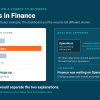
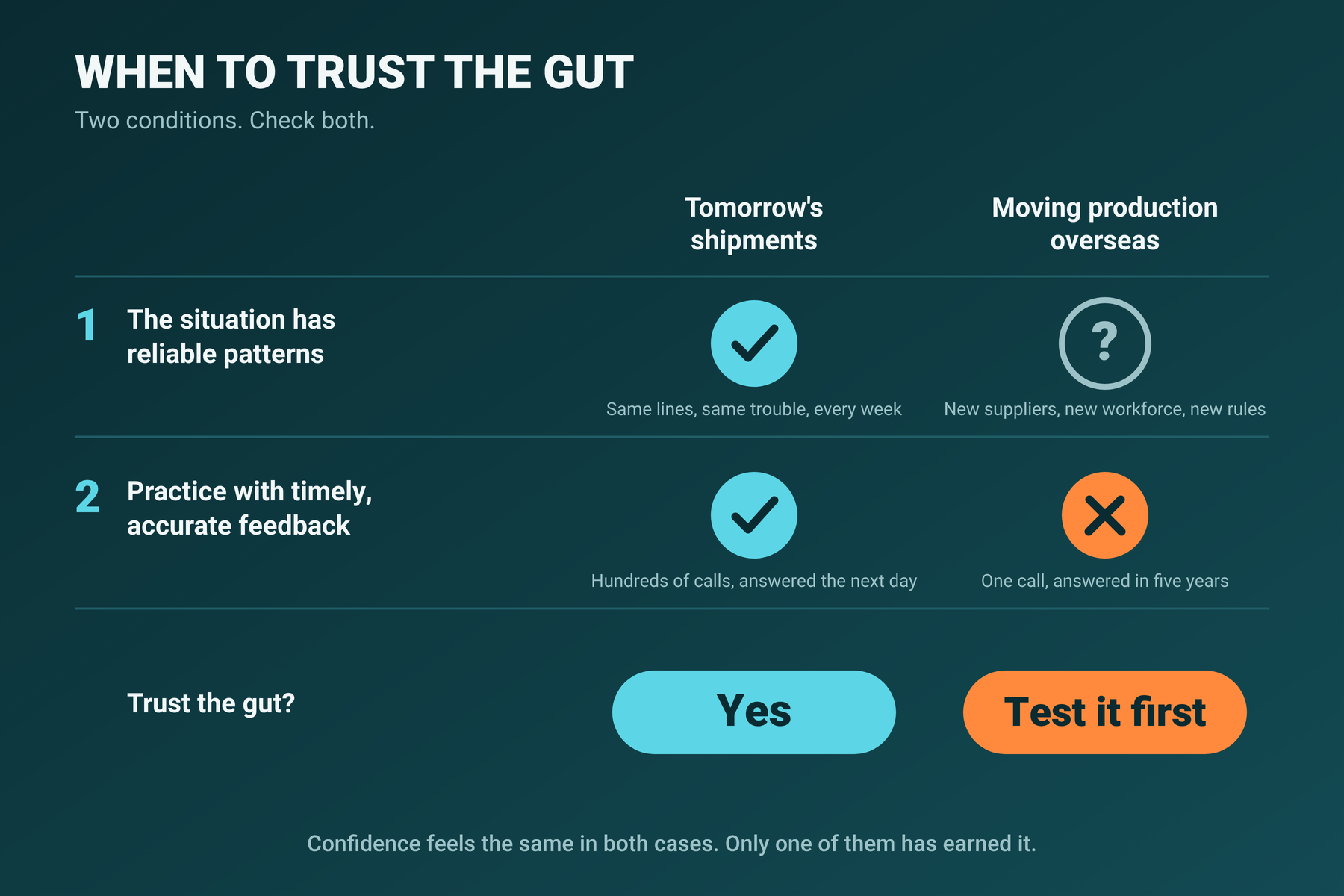
Now imagine the same manager recommending that the company move production overseas. Her knowledge of the current operation still matters. But the move depends on unfamiliar suppliers, labor conditions, logistics and transition costs. Her confidence could be the same even though the decision is very different.
I'd take her warning about tomorrow's shipments seriously. Before backing the overseas move, I'd want evidence about the proposed operation. Her confidence might be the same, but she's had very different opportunities to learn about those two decisions.
Daniel Kahneman and Gary Klein identified two conditions for reliable intuition in their 2009 paper, Conditions for Intuitive Expertise: A Failure to Disagree. Their work asks when experience gives someone a sound basis for an intuitive judgment.
Condition 1: the situation has reliable patterns
There must be a dependable connection between the cues available and the outcome. Otherwise, experience has little reliable information to teach you.
In our example, the manager might repeatedly see certain combinations of staffing, equipment problems and workload lead to late shipments. If that relationship holds, she has something useful to recognize. If equipment or operating conditions change substantially, she'd need to check whether the pattern still applies.
Condition 2: the person has learned those patterns through practice and feedback
The person needs repeated opportunities to make similar judgments and find out, promptly and clearly, whether they were right.
Suppose our manager records her forecasts, checks the shipments and goes back over the misses. She can see what she overlooked and adjust her next forecast. That record would tell us more about her judgment than knowing she'd held the job for 15 years.
A predictable situation doesn't make a beginner an expert. Years in a job don't establish expertise when feedback is missing or misleading.
When the feedback arrives years late
An executive who approves a major acquisition faces a harder learning problem. Results emerge over years. Changes in demand, management and competition make it difficult to establish which original assumptions were right.
Hogarth, Lejarraga and Soyer explain another learning problem in The Two Settings of Kind and Wicked Learning Environments: experience can mislead when the information people learn from differs from the conditions in which they later use it. Applied to our manager, success in the existing factory would leave important questions about the overseas operation unanswered.
Why experienced people still get decisions wrong
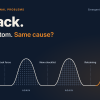
Suppose a project sponsor expects a new system to reduce operating costs. Once the proposal gains support, the original savings estimate becomes the starting point for every discussion. The team concentrates on achieving it and gives less attention to whether it was realistic. That's a possible anchoring problem: an early figure gets more weight than its evidence deserves.
If the saving doesn't appear, the team might keep looking for adoption or training problems while overlooking evidence that challenges the business case. That would be confirmation bias. Adoption and training could still be the explanation; they need to be checked against what actually happened.
Personal incentives can also affect which proposals and explanations people favor. Lovallo and Sibony discuss these problems in The Case for Behavioral Strategy. Before blaming bias, look at how the decision was made and what happened during the work.
How to check a gut feeling before you act
Ask the production manager what she noticed. Give her time to explain; she may recognize the problem before she can put every cue into words. Then separate the prediction from the remedy. If she expects late shipments, check the changeovers, defects and available skills before deciding to hire more staff.
For the overseas move, gather independent assessments before the senior sponsor announces a preference. Examine the assumptions separately. Kahneman recommends preserving independent judgments in Strategic Decisions: When Can You Trust Your Gut? For this example, I'd also look at comparable moves, including unsuccessful ones, and record what would cause the team to reconsider.
Write down what you expect, which assumptions matter and when you'll review the result. That gives you something specific to compare with what happens, including any changes that affected the outcome.
Give experience the weight it has earned
I'd give experienced judgment considerable weight where the person has had a sound chance to learn. I'd also make room for someone who spots a problem before they can fully explain it.
A concern like that can justify a closer look. How much evidence you need before acting depends on the cost of being wrong and how easily the decision can be reversed. Listen to the warning, establish what supports it, and check whether the proposed action follows.
Before you fund the fix
If a system went live and the saving hasn't appeared, the Stalled Priority Snapshot traces that one initiative in 90 minutes and tells you what the evidence supports. $1,500. Readout within 24 hours.
References
- Kahneman, D., & Klein, G. (2009). Conditions for intuitive expertise: A failure to disagree. American Psychologist, 64(6), 515-526. doi:10.1037/a0016755
- Hogarth, R. M., Lejarraga, T., & Soyer, E. (2015). The two settings of kind and wicked learning environments. Current Directions in Psychological Science, 24(5), 379-385.
- Lovallo, D., & Sibony, O. (2010, March 1). The case for behavioral strategy. McKinsey Quarterly.
- McKinsey Quarterly (2010, March 1). Strategic decisions: When can you trust your gut? Interview with Daniel Kahneman and Gary Klein by Olivier Sibony and Dan Lovallo.