Work prioritization · Workload management · Project delays
Competing Priorities: Why Important Work Stalls
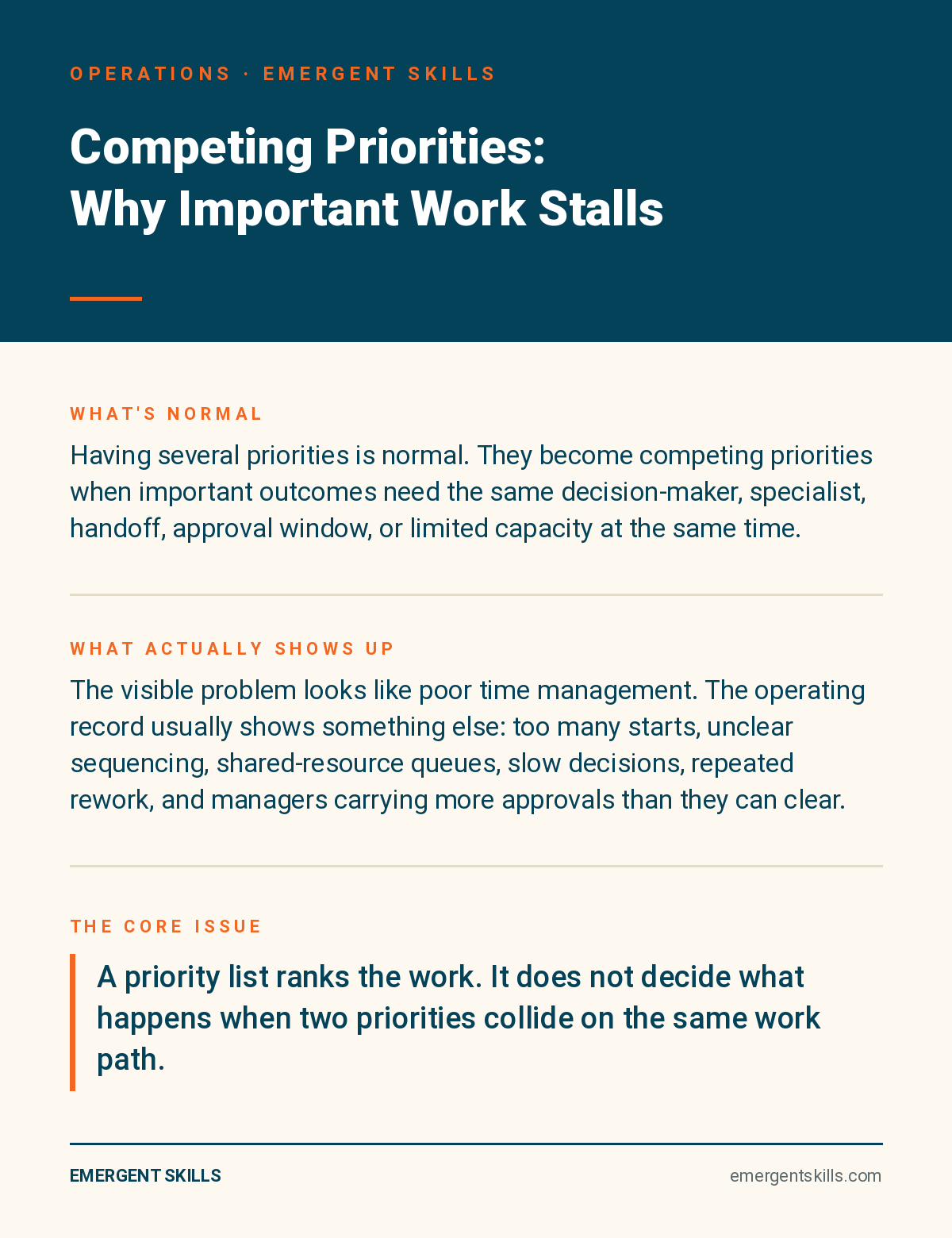
Having several priorities is normal. They become competing priorities when important outcomes need the same decision-maker, specialist, handoff, approval window, or limited capacity at the same time.
Most teams call this a time management problem and stop there. Pull the actual project records and a different picture usually turns up: too many things started at once, sequencing nobody wrote down, a shared resource everyone is waiting on, decisions sitting too long, work getting redone, and managers holding more approvals than they can clear in a week.
Ranking the list doesn't answer the harder question: what happens when two of those priorities need the same person, system, or approval on the same day.
Executive SummaryWhen several priorities become an execution problem.+
Having a lot of priorities isn't the problem by itself. It becomes one when two of them need the same scarce thing to move forward. A project can be fully funded, well staffed, and genuinely important, and still stall for weeks because it's waiting on the same sponsor, engineer, or approval as another priority marked equally important.
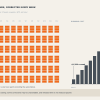
A full task list is easy to spot and easy to blame. A more useful warning sign is quieter: work started outpacing work finished, several unrelated milestones slipping in the same stretch, decisions sitting on the same desk for weeks, and the same handful of managers showing up in every escalation.
Prioritization frameworks rank the work. Platforms like Jira or Workfront show who owns what and when it's due. Both are useful, but they can still leave one question unresolved: where a specific outcome is actually sitting right now, and why it keeps landing back in the queue.
Skip the enterprise-wide reprioritization exercise for now. Pick one outcome that should have moved by this point, trace what actually happened to it step by step, find the constraint it kept hitting, and write down what happens the next time two priorities need that same constraint.
The fix needs to be something you can test. Pause one competing demand. Move an approval. Change a meeting cadence. Hand one owner temporary authority to decide. Then give it enough time to see whether wait times, throughput, or decision age actually move the way you predicted.
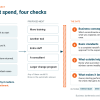
The usual first step is a $1,500, 90-minute Stalled Priority Snapshot. It traces one important priority, identifies the strongest observable bottleneck, and ends with one 14-day routing experiment. When the same pattern shows up across several priorities, the Work Demand Diagnostic is the next step.
What competing priorities really means
Several priorities can coexist. Competing priorities share a constraint.
Priorities compete when progress on one changes the capacity, timing, or decision path available to another.
Several priorities
- Have different owners or delivery routes
- Use capacity that's genuinely available
- Can move without repeatedly interrupting each other
- Have explicit sequencing when a conflict appears
- Finish at roughly the rate new work starts
Competing priorities
- Depend on the same manager, expert, or approval
- Borrow capacity from each other without anyone writing down the tradeoff
- Change sequence whenever urgent work arrives
- Leave more work started than finished
- Move deadlines while every commitment stays on the books
This distinction matters because the remedy is different. A long but stable priority list may need ordinary planning. Competing priorities require a decision about the shared constraint: what moves first, what waits, who decides, and what new work cannot enter until something finishes.
The operating record
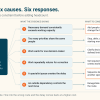
Six signs that priority competition is delaying the work
Do not begin by asking whether people feel busy. Begin with observable changes in the work. Competing priorities usually leave several of these signals together.
1. Starts exceed finishes
New initiatives enter faster than completed work leaves. Work in progress climbs, but throughput doesn't.
Check: new starts, completed outcomes, aging work, paused work that remains reported as active.
2. Milestones move right together
Several unrelated projects slip during the same period because they are drawing from the same hidden constraint.
Check: schedule revisions, shared roles, approval calendars, simultaneous dependency delays.
3. Decisions age with the same leaders
Important work waits for the same manager, sponsor, or committee. The decision queue, not the task plan, sets the pace.
Check: open decision age, approval concentration, postponed decisions, repeat escalations.
4. Urgent work displaces strategic work
The plan remains unchanged on paper while incidents, executive requests, customer escalations, and rescue work consume the hours assigned to it.
Check: unplanned demand, calendar displacement, work completed outside the stated priorities.
5. Rework and missed handoffs increase
Context is lost between interruptions, reviewers arrive late, and completion criteria move after work has already been done.
Check: reopened tasks, revision count, handoff touches, late review, repeated context reconstruction.
6. Managers become the routing layer
Managers spend more time reconciling conflicts, rescuing work, attending coordination meetings, and deciding exceptions that the operating rules did not settle.
Check: manager meeting load, after-hours intervention, rescue work, approvals per manager.
Work in progress and capacity constraints
Why prioritizing harder does not make the queue disappear
Labeling something a priority doesn't create the capacity to do it, remove the dependency it's stuck behind, or decide which "high priority" item gets the next open approval slot. Leave everything marked active, and the organization has ranked the work without actually sequencing it.
This is why work-in-progress limits matter. Atlassian's guidance explains that limiting active work helps expose blockers and bottlenecks, reduces context switching, and shifts the focus from starting work to finishing it. The lesson isn't limited to software delivery: once the active queue outgrows what the constrained step can clear, every new start just adds to the wait. Working with WIP limits
No amount of reprioritizing fixes a collision that requires someone above the team to make the call.
The operating decision is concrete: pause an outcome, move the constraint, delegate the decision, change the service rule, or accept the delay. Leaving every commitment active is also a decision, but it hides the tradeoff inside overloaded schedules and stretched teams.
Competing priorities are only one reason important work can break down. Review why projects fail to check sponsorship, capability, funding, dependencies, and other causes before treating the queue as the whole explanation.
Workfront, ServiceNow, Jira, and the missing explanation
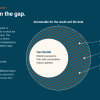
Work-management tools show the competing work. The trace shows the collision.
Enterprise platforms provide real visibility here. Adobe Workfront's Workload Balancer shows assigned and unassigned work and helps managers look across projects at once. ServiceNow Strategic Portfolio Management connects strategy, demand, resource optimization, and reprioritization. Jira plans can surface dependencies and flag them the moment they drift off track.
What the systems can show
- Priority fields and portfolio rank
- Owners, assignments, and availability
- Planned demand and scheduled capacity
- Deadlines, status, blockers, and dependencies
- Work marked assigned, unassigned, or off track
What one stalled outcome still requires
- The route it actually took, not just the plan for it
- The age and location of each wait
- The rule that got used when two priorities collided
- The point where authority or capacity ran out
- A test that could actually prove the explanation wrong
Emergent Skills doesn't replace these systems. It uses what's already sitting inside them, along with calendars and decision history, to explain why an important priority is still waiting, looping, or routing through overloaded people.
Managing competing priorities
Start with one collision, not the whole portfolio
Reprioritizing every initiative can take weeks and still leave the operating rules unchanged. A smaller test gets you evidence faster.
1. Choose the outcome
Pick one milestone, decision, or deliverable that should have moved by now, one with a named owner and a record you can actually reconstruct.
2. Trace the actual route
Mark when work moved, waited, reopened, changed hands, or returned for another decision. Separate touch time from elapsed time.
3. Find the shared constraint
Identify the decision-maker, specialist, approval, dependency, or delivery window used by the competing work.
4. Write the collision rule
Decide in advance what happens when both priorities need the constraint: one finishes first, authority moves, capacity is reserved, or new work waits.
5. Run one 14-day experiment
Change one routing condition. Name one owner, one measure, and the result that would show the explanation was wrong.
6. Expand only if the pattern repeats
If the same manager bottleneck, priority collision, or work-demand pattern appears across several outcomes, move from the local trace to a broader diagnostic.
Make the tradeoff visible now, before it disappears into rework, extra meetings, and overloaded managers.
Frequently asked questions
Competing priorities: practical answers
How do you manage competing priorities?+
Start by making the tradeoff explicit instead of pretending everything can move at once. Pick the outcome that has to go first, name the shared constraint, decide what pauses, and give one person the authority to enforce that order. Then watch whether completion time and queue age actually improve.
What causes competing priorities?+
Usually some combination of too many things started at once, shared specialists, approvals concentrated in too few hands, unclear decision rights, unplanned work landing on top of planned work, and no rule for stopping anything once it starts.
Are competing priorities a workload-management problem?+
Sometimes, workload management but not always. Workload data can flag overallocation, but the real delay might be a single decision queue, dependency, handoff, or approval rule. Check the route an outcome actually took before assuming the answer is more staff.
How do you decide which priority comes first?+
Weigh the stated business outcome, the cost of delay, dependency order, how reversible each option is, and who actually has decision authority. That call belongs to the leader who owns the tradeoff, not to whoever happens to be caught between two conflicting requests.
Can project-management software solve competing priorities?+
It can make rank, assignments, capacity, and dependencies visible, which matters. What it can't do is decide what stops, what goes first, who has the authority to say so, and how that rule changes the next time two priorities hit the same constraint.
Bring the priority that keeps losing the collision.
The $1,500, 90-minute Stalled Priority Snapshot reconstructs one outcome's actual route, identifies the strongest observable wait, and tests whether competing priorities, a decision bottleneck, a missed handoff, rework, or manager overload best explains the delay.
You leave with a one-page readout and one 14-day routing experiment, including the result that would prove the hypothesis wrong. If the pattern extends beyond one priority, the Work Demand Diagnostic looks at the wider work-demand system.