Stalled priorities cost time & money
What Causes Project Delays, Partial Delivery and Low Adoption?
Three project situations worth tracing before you decide what to change.
Executive SummaryThree ways a result goes missing, and one way to trace all of them.+
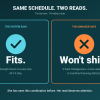
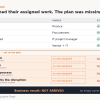
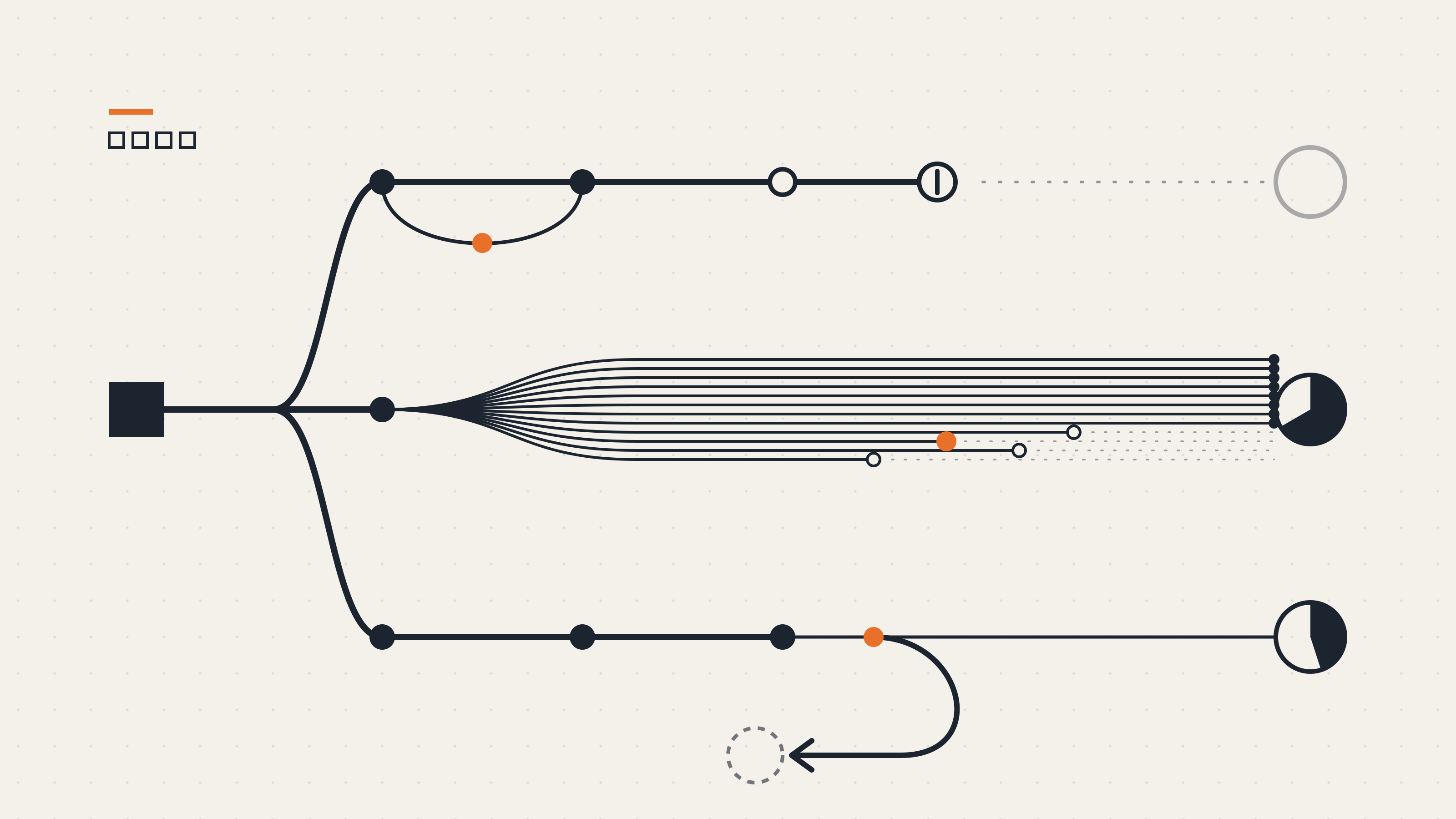
A project result can fall short three ways. It stalls and never arrives. It arrives in part, with some locations or teams still waiting. It ships on time and people keep working the old way. The status report treats these as different problems. The trace treats them the same.
In each case the leader faces a choice between adding people, escalating, training, or redesigning the process. Choosing before tracing is how a route problem gets a headcount answer. This article walks through one invented project example of each situation and shows how to pick the specific missing result to reconstruct.
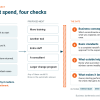
Four conditions get checked before any route changes: whether the result is still wanted, whether it was chosen over competing work, whether the resources and authority exist, and whether an outside dependency is setting the pace. Only after those four are answered does a route change become a fair test.
The Stalled Priority Snapshot does this reconstruction in 90 minutes with up to three participants. The output is a map of the route, a plain reading of how much it explains, and a single recommended next step, for $1,500 USD.
The project deadline has passed and the approval still has not arrived. A rollout works in some locations while others wait. A new system launched on schedule, and people keep using the old spreadsheet.
Each one leaves a project leader with a result that fell short and a decision to make. Add people? Escalate the approval? Run more training? Change the process?
Pick the wrong one and the fix costs money while the result stays missing. A training budget does not clear a workflow bottleneck. So start by making the missing result specific. Then trace the work needed to produce it. Who handles it. What they need. Who can decide. Where it waits or comes back.
The first question is not who dropped it. It is what the work needed and did not get.
PMI's 2025 research found that just over half of projects are judged successful by their stakeholders, and it now defines success as value delivered relative to the investment. That gives a leader two things to examine: what blocks delivery, and what happens after delivery. Read PMI's summary.
The three project examples below are invented. They show how to choose a result to trace.
Situation one
Stalled: the result has not arrived
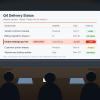
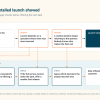
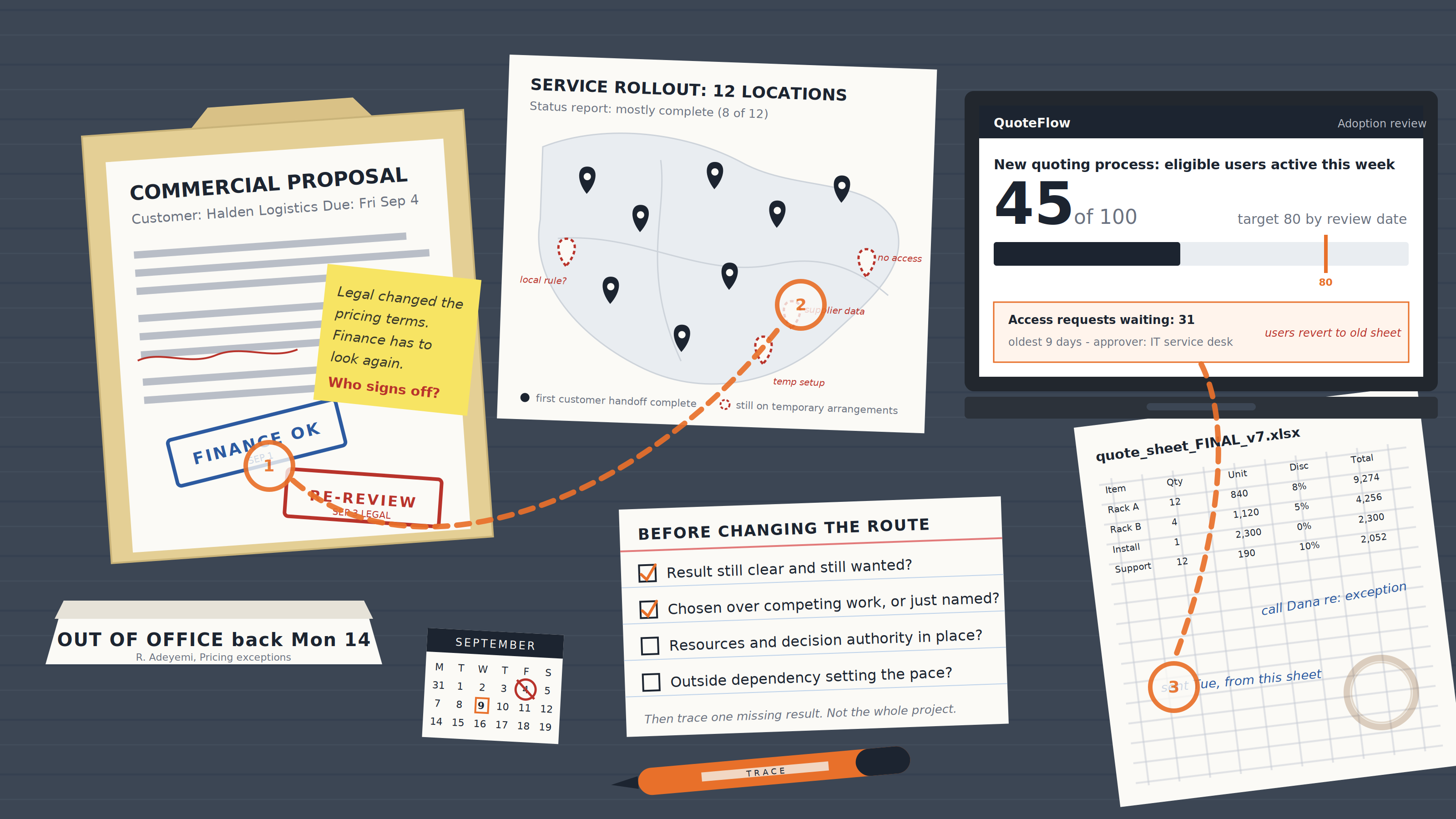
A commercial proposal was due to reach a customer last Friday. Sales finished its part. Finance reviewed the pricing. Legal raised a question, the proposal changed, and Finance now needs to review it again. The one person who can resolve the exception is away.
"Waiting for approval" describes where the proposal sits. It does not tell you what to change. For that you need the sequence: what each reviewer received, what changed between reviews, and who had authority to move it forward.
Absence is one useful place to look. In a 2026 survey Morning Consult ran for Zoom, 75% of 1,000 U.S. knowledge workers said work tied to a key teammate stalls for at least a day when that person is out. This is workers' reported experience. Read Zoom's Out of Office Index.
For the proposal, the immediate cost is a waiting customer and the hours spent chasing and revisiting work. Whether the delay costs the sale is a separate question, and it needs its own evidence.
Start here: choose one delayed decision or deliverable. Reconstruct the reviews and handoffs that led to the point where it stopped, including any work that came back.
Situation two
Partly delivered: some of the result is still missing
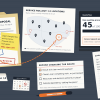
A service rollout is complete at eight of twelve locations. The other four cannot complete their first customer handoff. The project report says "mostly complete." The four local teams are still running on temporary arrangements.
Those four may have four different problems. One lacks access. One is waiting on supplier data. A third needs a decision about local requirements.
Choose one missing handoff and follow it. A completed handoff at another location gives you a comparison. Before you treat its route as the model, check the differences in scope, demand, and controls.
Meanwhile the incomplete rollout has people supporting the temporary arrangements while also preparing to run the new service. That is extra labor on top of the delay. It deserves attention even though most of the project is delivered.
Start here: name the undelivered part precisely. Pick one location, team, or transaction and establish what it needs to move next.
Situation three
Launched but underused: people have not made the switch
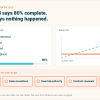
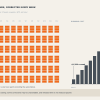
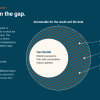
A new quoting process went live on time. At the agreed review date, 45 of 100 eligible users are using it. The target was 80. The sponsor wants to understand the gap.
Trace the steps an eligible user has to take to complete a quote in the new process. Can they get access? Is the data there? Who approves an exception? Can their manager authorize the switch?
Suppose access requests sit in a queue and users go back to the old spreadsheet to meet customer deadlines. That is a specific work path, and you can investigate it. Or users have access and authority and still stay on the old process because the new one does not fit the work, because nobody trained them, or because the incentives favor the old one. Those explanations lead to different actions.
The sponsor still owns the question of whether the new process was worth building. A Stalled Priority Snapshot traces the work behind the 45 and says how much of the gap the route explains.
Start here: define what counts as use and when it was expected. Then trace one specific attempt to switch, including where it stopped or went back to the old way.
Did the change produce the result?
For a rollout or process change, ask three questions:
- Are people using the change where it was expected to help?
- What actually improved, and what still falls short? Look at delivery time, quality, workload, or the business result you expected.
- What differs between where it works and where it does not?
In the quoting example, reaching 80 users would meet the adoption target. You would still want to know whether quotes were faster to produce, more accurate, or easier to get approved.
Before you change anything
Check the conditions before changing the route
For any of these situations, establish four things first:
- Is the intended result clear and still worth pursuing?
- Has it been chosen as a priority against competing work, or only named as one?
- Are the necessary resources and decision authority available?
- Is an external dependency controlling progress?
A missing resource needs a sponsor to intervene. A supplier's fixed delivery date sets the limit, and no route change moves it. Only when the route itself contributes to the shortfall is a small, authorized change worth testing.
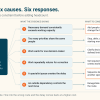
When the route does contribute, the drag is structural. Execution drag reaches a result in two ways, and this is the first: the work path itself holds things up. The proposal waits because the one person who can resolve the exception is away. A location cannot complete its first handoff because it lacks access. The people involved can all be working well and the result still does not arrive.
The second way runs through the people doing the work. Chasing an approval, reviewing the same proposal twice, and running temporary arrangements alongside a new service all add demand. That demand can make judgment and focus harder to use consistently, which can create mistakes and rework of their own. A trace of dates and handoffs shows where the work waited. It will not show what that demand did to anyone's judgment. Treat the second way as something to investigate with its own evidence, and keep the structural finding either way.
Execution drag
Bring one result to a Snapshot
The Stalled Priority Snapshot gives up to three participants 90 minutes to reconstruct the work behind one project result. Bring the people who handle, approve, or unblock it, along with the dates and records you have.
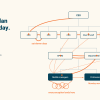
You receive a work-path map, a plain-English assessment of what it explains, and one recommended next step. Where the evidence supports it, we estimate the extra labor and define a small change to test. Where it does not, we name the missing piece of information and where to get it.
The fee is $1,500 USD. It includes a brief written report within 24 hours, a 15-minute sponsor walkthrough, and a follow-up after an agreed test.
Have a result in mind?
Tell us what should have happened and what did. You can upload a PO or request a quote. Purchasing arrangements and the session date are confirmed separately.

 Projects stall, results fall short, and problems keep coming back. Trace what happened, test the explanations against the evidence, and decide what’s worth changing.