Project sequencing
Resource Leveling: When Projects Need the Same People
Three project plans each reserve the same specialist for Monday and Tuesday. Each project manager has a reasonable estimate and a deadline to meet. The conflict becomes obvious when someone puts the plans together.
The specialist cannot give two full days to three projects in the same two-day window. Someone has to decide which work goes first, then change the commitments that depended on the original dates.
That is the practical job of resource leveling. For operations leaders, the difficult part is getting the people who own those commitments to agree on what moves.
Executive Summary Leveling moves the dates. Then check what the work waited for. +
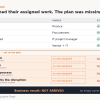
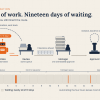
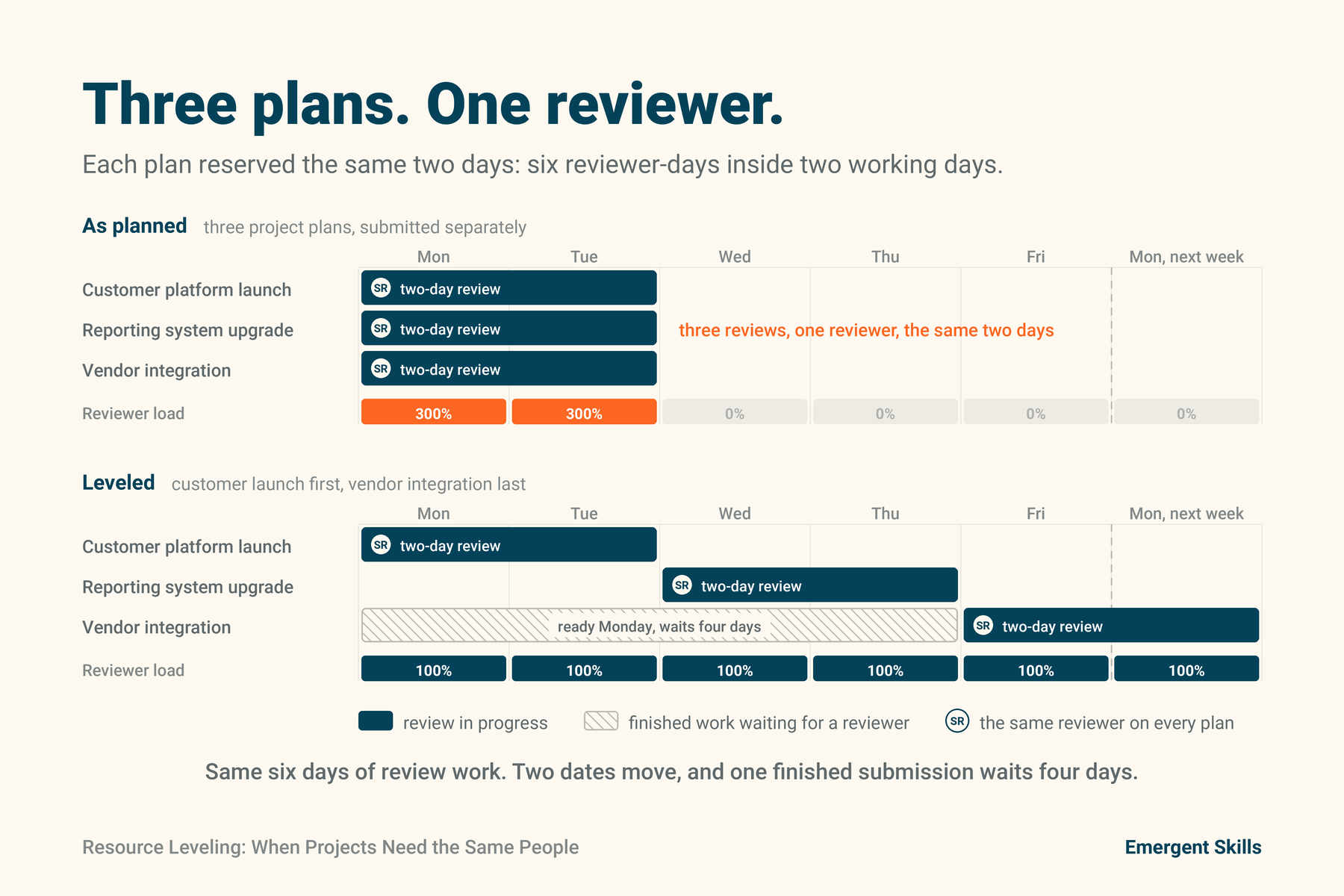
Resource leveling resolves the conflict that appears when several projects reserve the same person for the same days. Some work moves later, the schedule stretches, and the managers who own the dependent dates have to agree on the order. Three two-day reviews booked for one Monday and Tuesday become six working days in sequence, and the last submission waits four days for a reviewer.
Moving dates is the easy part. The harder question is why work still waits after the schedule looks feasible: an incomplete submission returned from the queue, a review that took longer than estimated, or a decision that kept going back to one manager. Those are structural findings. Whether the added demand also affects the reviewer's judgment is a second question, and it needs its own evidence. Run the revised sequence for 14 days with one owner, measure working days from a complete submission to a decision, and record who waited longer as a result.
If one important result keeps slipping, a Stalled Priority Snapshot is a $1,500, 90-minute session that traces where the work waited and helps you choose one operating change to test.
What is resource leveling?
Resource leveling adjusts the timing of project activities to fit the resources available. When several activities need the same person or equipment at once, some work moves until the demand can be met.
The Association for Project Management describes leveling as scheduling around resource limits, with the completion date determined by what those resources can deliver. The result can be a later project finish date. APM: Resource smoothing and resource leveling.
Leveling can happen within one project or across several that share people. It is especially useful when a limited specialist is required for activities that otherwise could run in parallel.
Resource capacity planning examines whether expected demand fits available capacity. Resource leveling turns identified conflicts into specific changes to the schedule: which activity starts when, who performs it, and which dependent dates must move.

A resource leveling example
Suppose three projects each need two full working days from one security reviewer. All submissions are ready on Monday. For this simplified example, the reviewer is available five days a week, has no other duties, and each review takes exactly the estimated time.
| Project | Original review schedule | Leveled review schedule |
|---|---|---|
| Customer platform launch | Monday to Tuesday | Monday to Tuesday |
| Reporting system upgrade | Monday to Tuesday | Wednesday to Thursday |
| Vendor integration | Monday to Tuesday | Friday and the following Monday |
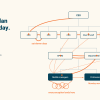
The original plan demanded six reviewer-days inside two working days. The revised plan uses six working days, with no overlapping assignments. This sequence assumes leadership has chosen the customer launch first and the vendor integration last.
The reviews still require the same amount of work. Two projects now have later review dates, and their managers need to check the effect on testing, release windows and customer commitments. Other activities can continue wherever their dependencies allow.
For the vendor integration, the submission is ready Monday and the review starts Friday. Finished work waits four working days for a reviewer. The next useful question is whether preparing everything for Monday still makes sense. Project sequencing should account for when completed work can move into the next stage.
Resource leveling vs. resource smoothing
Resource smoothing works within the existing completion date. It uses available float, meaning scheduling flexibility, to reduce peaks in demand. Resource leveling gives priority to resource limits and can extend the schedule. APM explains the distinction.
If the reporting review can move to Wednesday without affecting the project finish, that adjustment may fit within a smoothing exercise. If the available reviewer cannot finish all required work before a fixed launch date, smoothing alone cannot resolve the conflict. Leadership has to reconsider the date, scope or available qualified capacity.
How to level resources across projects
Start with the person or capability whose overlapping assignments are holding up delivery. Confirm the work is still a chosen priority before moving other commitments to make room for it. You can examine that conflict without rebuilding the entire portfolio plan.
1. Put the competing commitments together.
Include work from other projects and ordinary operations. Confirm availability with the person doing the work. A project plan that reserves Thursday is unreliable if that person already owns a recurring Thursday operational obligation.
2. Check what each activity requires.
Record the effort, readiness date and required skill. Include decision authority where approval is part of the task. An available colleague is a possible substitute only if they can perform the work and make the required decisions.
3. Agree on the order.
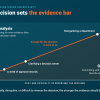
Consider fixed external commitments, the consequences of delay and downstream dependencies. Name who can resolve a conflict between project sponsors. Leaving every item marked urgent hands the sequencing decision to whoever happens to receive the next escalation.
4. Recalculate the affected schedule.
Move activities within available flexibility where possible, then review any changes to milestones and the critical path. A scheduling paper in PMI's research library explains how leveling uses priority rules to assign revised dates when activities compete for limited resources. PMI: Fundamentals of scheduling and resource leveling.
Publish the revised commitments and tell the teams whose work depends on them. Keep the original dates visible so everyone can see what changed and why.
When the schedule looks feasible but work still waits
Project and resource-management tools can show assignments, dependencies and overallocated resources. Use that record to locate conflicts and evaluate a revised schedule.
Then examine what happened during the time the schedule reserved.
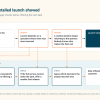
Suppose the security reviewer had Wednesday and Thursday available, but the submission lacked the required evidence. The reviewer returned it on Wednesday morning. The team supplied the missing information on Friday, after another project had taken the next slot.
Moving the review date again records the consequence. To prevent a repeat, the team needs to understand why an incomplete submission entered the review queue.
Use workflow analysis to check whether the requirements were clear before submission and how the missing evidence affected the review queue.
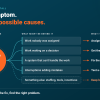
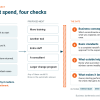
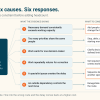
Other findings lead to different decisions. A qualified reviewer with a consistently full queue may justify additional staffing. A decision that keeps returning to one manager may require clearer authority. Repeatedly reopening work adds demand that the original allocation never included.
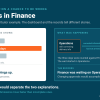
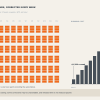
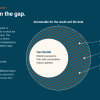
Each of those findings is structural. Execution drag reaches a result by two routes, and this is the first: the work path holds things up. Three plans reserved the same two days, an incomplete submission entered the queue and the next slot went to another project. The reviewer can be doing the job well the whole time.
The second route runs through the person in the middle of the conflict. A reviewer who is interrupted by escalations, pulled between sponsors and handed the same submission twice carries demand the schedule does not show. That demand can make judgment and focus harder to use consistently, and a security review depends on both. A leveled schedule shows when the reviewer was booked. It will not show whether that happened. Treat the second route as a separate question with its own evidence, and address the queue either way.
Test the revised sequence against actual delivery
For a recurring review step, try one agreed sequence over the next 14 days. Give one owner responsibility for maintaining it and recording exceptions. Choose a primary measure, such as working days from a complete submission to a review decision, and compare it with recent similar reviews.
Also check whether another project's queue grew. Faster service for the chosen priority may be an intentional tradeoff. Record who waited longer and whether the result matched the decision leadership made.
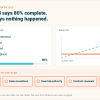
If the revised sequence is followed and comparable reviews still wait just as long, investigate the explanation. Missing information, underestimated review effort or an external dependency may matter more than the original scheduling conflict.
Stalled Priority Snapshot
If one important result keeps slipping, bring it to a Stalled Priority Snapshot. In a $1,500, 90-minute session, Emergent Skills traces where the work waited and helps you choose one operating change to test over the next 14 days.