Work Demand
Role Ambiguity at Work: How Unclear Work Paths Contribute to Burnout
Why unclear authority, priorities, and decision routes leave professionals carrying organizational confusion.
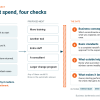
Executive summary Where role ambiguity comes from, what it costs, and where to look first.+
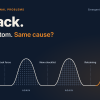
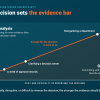
A dashboard can name an owner and show green while the owner cannot make the decisions the work requires. Authority sits somewhere else. Priorities shift between leaders. The professional spends the day guessing which answer will hold. That gap is role ambiguity, and the organization produces it through the way it assigns and routes work. Burnout is what the professional experiences on the receiving end. That is execution drag by two ways at once: the work waits on decisions nobody can make, and the guessing and rework can wear down the judgment of the person carrying it. The first is in the record. The second needs evidence from the case, not from the research alone.
The research points the same direction. The World Health Organization treats burnout as an occupational phenomenon rooted in workplace conditions. A 2026 meta-analysis covering 515 studies and 787,959 workers found role ambiguity the most damaging of the three classic role stressors, and a longitudinal study of 13,811 workers found it amplifies the harm of other job stressors. NIOSH lists uncertain expectations among the hazards organizations should address through clearer roles and decision routing.
The cost lands as effort no utilization report captures. The professional guesses at what leaders want, defends drafts before anyone objects, and redoes work after the standard shifts. Vigilance and rework fill the calendar while the priority stalls. Recovery habits can restore composure. They cannot grant authority or remove an approval.
The practical move is to trace one piece of stalled work before assessing the person. Follow where it waited, looped back, or reversed, and who could have decided. Then test one operating change, such as explicit decision authority for a defined class of decisions. When several capable people keep hitting the same unclear authority, the work path is where the evidence is.
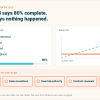
The plan names an owner. The dashboard is green. Everyone agrees the work matters.
Then the questions start: Can the project manager change the launch sequence, or does that need executive approval? Which leader decides when product and operations disagree? What happens when another executive adds a supposedly urgent request?
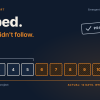
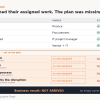
The project manager is responsible for the result but does not control the decisions required to produce it. Work moves forward, comes back, waits for clarification, and gets revised after someone with more authority enters the conversation. From the outside, this can look like weak ownership. From inside the work, it feels like having to guess correctly all day.
That is role ambiguity.
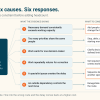
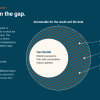
Burnout is experienced by the professional. Role ambiguity is often produced by the way the organization designed, assigned, and routed the work.
Definition
What role ambiguity looks like at work
Role ambiguity exists when someone lacks the information needed to understand what is expected, how success will be judged, what authority comes with the assignment, or where responsibility begins and ends. It is different from two related problems:
Role overload
Means the volume of work exceeds the time or resources available.
Role conflict
Means the person receives competing or incompatible demands.
Role ambiguity
Means the person cannot reliably determine what the job, decision, or situation requires.
The difference matters: reducing someone's workload will not resolve uncertainty about who can approve a decision, and adding an owner to a project record will not create authority the organization never granted.

Evidence
The research connects burnout to workplace conditions
The World Health Organization classifies burnout as an occupational phenomenon resulting from "chronic workplace stress that has not been successfully managed," not a personal failure of resilience.
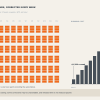
A 2026 meta-analysis combining 515 studies, 588 samples, and 787,959 workers found role ambiguity was the most damaging of the three classic role stressors, published in the Journal of Vocational Behavior.
A separate longitudinal study of 41,962 observations from 13,811 workers found role ambiguity amplified the effects of other job stressors: high demands were more harmful when role ambiguity was also high. NIOSH lists conflicting or uncertain expectations among the psychosocial hazards it recommends organizations address directly, through clearer roles and better decision routing, not individual coping alone.
Formal role vs operating reality
A job description can be clear while the work remains ambiguous
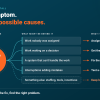
A professional may understand the job description and still face ambiguity about:
- Which priority takes precedence when two leaders want different outcomes.
- Who has the final decision when functions disagree.
- Whether the assigned owner can make the decisions the work requires.
- Which exceptions require escalation, and whose approval, in what order.
- Whether yesterday's decision will survive the next review meeting.
None of this shows up in the HR system or the project dashboard. The software can show an owner, a due date, and a status. It cannot show whether the owner has usable authority.
The cost
How a bad work path wears down a capable professional
Ambiguous work creates effort that rarely appears in a utilization report: interpreting what leaders really want, softening drafts to avoid objections, delaying decisions until the right person can be consulted, redoing work because the completion standard changed after review.
The person may also start protecting against the system, copying more people, escalating small decisions, over-documenting in case ownership is challenged later. Work slows even though the calendar stays full.
The organization keeps transferring unresolved ambiguity to the professional, and the professional absorbs it through vigilance, rework, and repeated switching between incompatible demands.
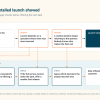
Execution drag reaches a result in two ways, and an ambiguous work path can produce both. The first is in the record: the migration waits for clarification, comes back after review, and gets revised when a more senior voice enters. The launch date moves twice. That wait exists whether or not the project manager is wearing down.
The second way is the one this page is about. Guessing, defending drafts, switching between incompatible demands, and redoing work after the standard shifts all add demand, and that demand can make judgment and focus harder to use consistently. The research above shows the mechanism is real across hundreds of studies. It does not show that it happened to this project manager on this migration. Showing that needs evidence from the case, and the trace in the next section is where to look. The waits stand as a finding without it. Settling the authority question shortens them either way.
The limits of individual support
Why resilience training cannot repair ambiguous work
Recovery habits, sleep, and exercise can help a professional regain composure after a hard stretch. What they do not do is decide who owns the decision, remove a redundant approval, or create a stable definition of done. None of this argues against individual support. It argues against expecting that support to fix what is, underneath it, an organizational problem.
Diagnosis
Trace the work before blaming the person
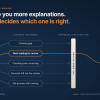
Start with one piece of important work that has slowed, reopened, or required repeated clarification. Follow what actually happened, not what the process diagram says should happen. Ask:
- What outcome was the professional expected to produce?
- Who could decide that the work was acceptable and complete?
- Which decisions could the assigned owner make without further approval?
- Where did the work wait, return, or change direction?
- Did different leaders apply conflicting priorities or standards?
If the route does appear to be producing ambiguity, test a small operating change: give one person explicit decision authority for a defined class of decisions, remove one unnecessary approval, establish which priority wins when demands collide. That produces better evidence than another reminder to "take ownership."
The project manager from the opening is still waiting on an answer. The dashboard is still green. The launch date has moved twice.
Where responsibility sits
Burnout is experienced personally, but prevention also requires operational change
The person deserves support without being treated as the defective part of the system. But when capable professionals repeatedly hit unclear authority, unstable priorities, and decisions that route through overloaded leaders, the ambiguity is not just in their heads. It is present in the work.
Look there first, not at the person carrying it.
Research sources
Sources
- World Health Organization. Burn-out an occupational phenomenon: International Classification of Diseases.
- Sawhney, G., McCord, M. A., Cunningham, A., Cook, P., Adjei, K., and Flinn, T. (2026). A meta-analytic review of 60 years of role stressor research. Journal of Vocational Behavior, 167, 104234.
- Oshio, T., Inoue, A., and Tsutsumi, A. (2021). Role ambiguity as an amplifier of the association between job stressors and workers' psychological ill-being. Industrial Health.
- National Institute for Occupational Safety and Health. Psychosocial Hazards.
Trace one stalled priority
The Emergent Skills Work Demand Diagnostic traces how demand, authority, approvals, priorities, and routing are affecting execution, then identifies one practical change to test.
Start the Work Demand Diagnostic Book a Stalled Priority Snapshot