Operational Bottlenecks · Project Delays
Operational Bottlenecks: Where Is Your Project Losing Time?
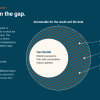
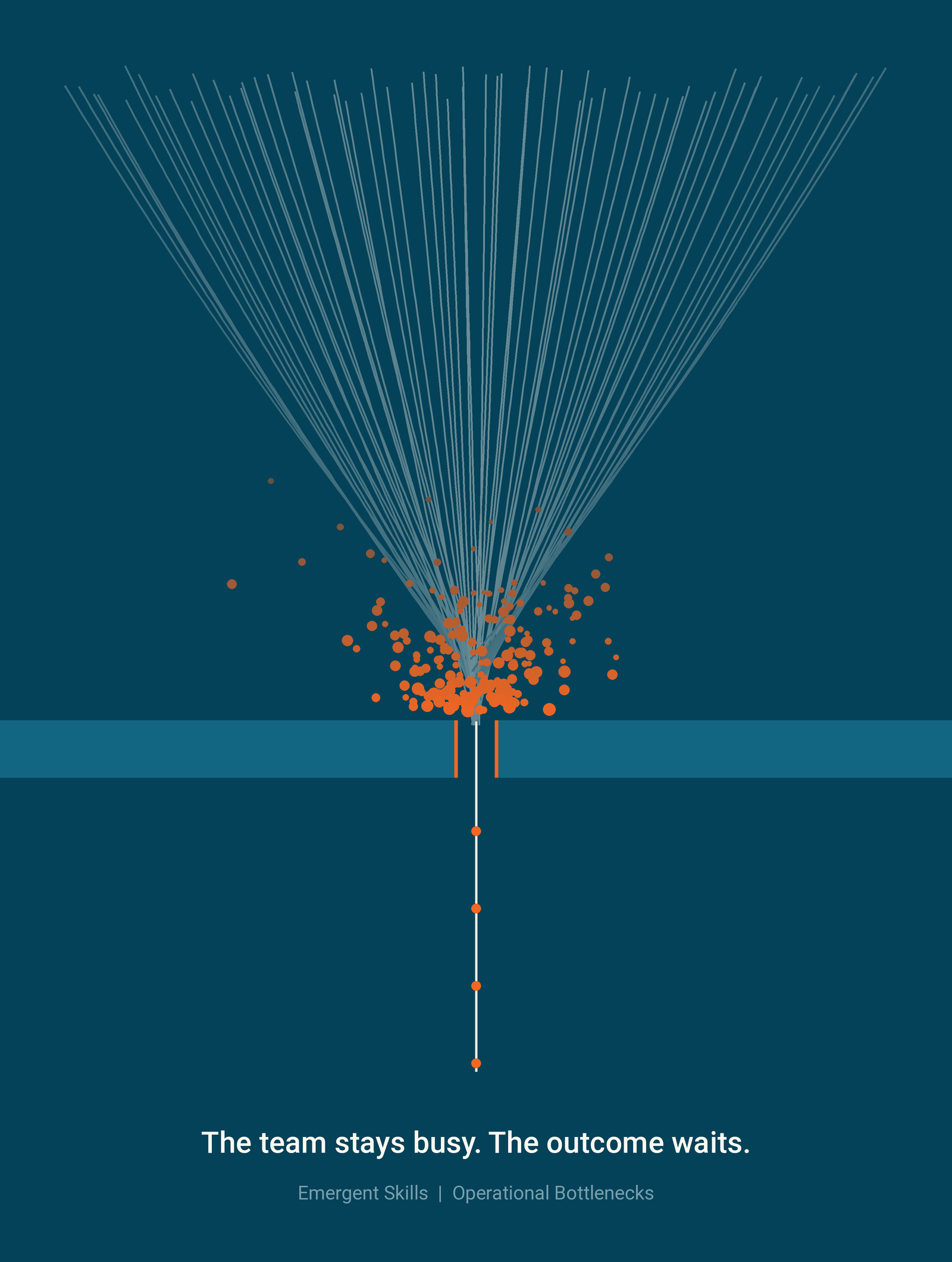
An operational bottleneck is the one point in the route that decides how fast everything else can go. The team stays busy. The outcome waits.
Executive summary Where project time goes, and how to find the point holding the outcome.+
An operational bottleneck is the point in the route that sets the pace for the whole project. Everything behind it waits. Because the people near the constraint stay busy, the project can look active on every dashboard while the outcome it was funded to deliver stops moving.
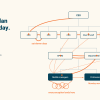
Project tools record who owns a task and when it is due. They rarely show why the slip repeats. That takes a reconstruction of the route: when the work was ready to move, where it waited and whether several delays passed through the same person or review step.
The article traces five places project delays form. A decision queue and a shared specialist stall work because too much depends on one point. A weak handoff and rework stall it because the rules for moving work were never settled. The fifth, too much work in progress, drives the other four. All five are execution drag through the work path. Whether the switching they cause also affects anyone's judgment is a separate question, and the route alone does not answer it.
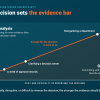
Before tracing the route, confirm the project is worth tracing. An outcome that should be stopped, or was never specified or funded well enough to finish, produces a detailed map and no fix. Then reconstruct one outcome from dates already in the record, name the most likely constraint and run one reversible change for a short period to see whether the wait shortens. The Stalled Priority Snapshot does this on one stuck outcome.
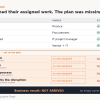
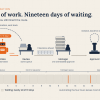
One approval waits eleven days. A specialist is shared across five priorities. Work reaches another department without an agreed response time. A deliverable marked complete returns when a reviewer raises a requirement that should have been settled earlier.
These are operational bottlenecks: points in the work path where a constraint limits how quickly the whole project can advance. The constraint may be a decision, a person or a handoff rule. Sometimes it is nothing more than too much work entering the same route.
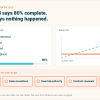
They are easy to miss because the people around the bottleneck are often busy. Meetings continue and status reports stay current, so the project looks active long after effort has stopped turning into forward movement.
How common is serious project trouble?
There is no accepted measure for a "stalled project." Research uses several categories, including late, challenged and failed. They should not be treated as interchangeable.
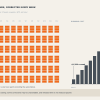
The broader record is still useful. In 2025, the Project Management Institute reported that 50% of projects delivered value that exceeded the effort and expense involved. Another 37% produced partial results, while 13% failed outright.
That does not mean half of all projects were abandoned. It does show how often organizations invest in work that delivers mixed or poor value. The trouble usually becomes visible earlier, when an unresolved condition starts controlling the pace.
What project dashboards show, and what they can miss
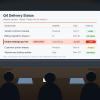
Jira, Workfront, Asana and similar systems record who owns each task, where it stands and when it is due. That record is often enough to reveal that something is late. It may not explain why the same milestone keeps slipping.
For that, reconstruct the route the work took. When was it ready to move? How long did it wait? Why did completed work reopen? Did several of the delays pass through the same person, meeting or review step?
Those questions move the investigation from general project health to the condition controlling delivery.
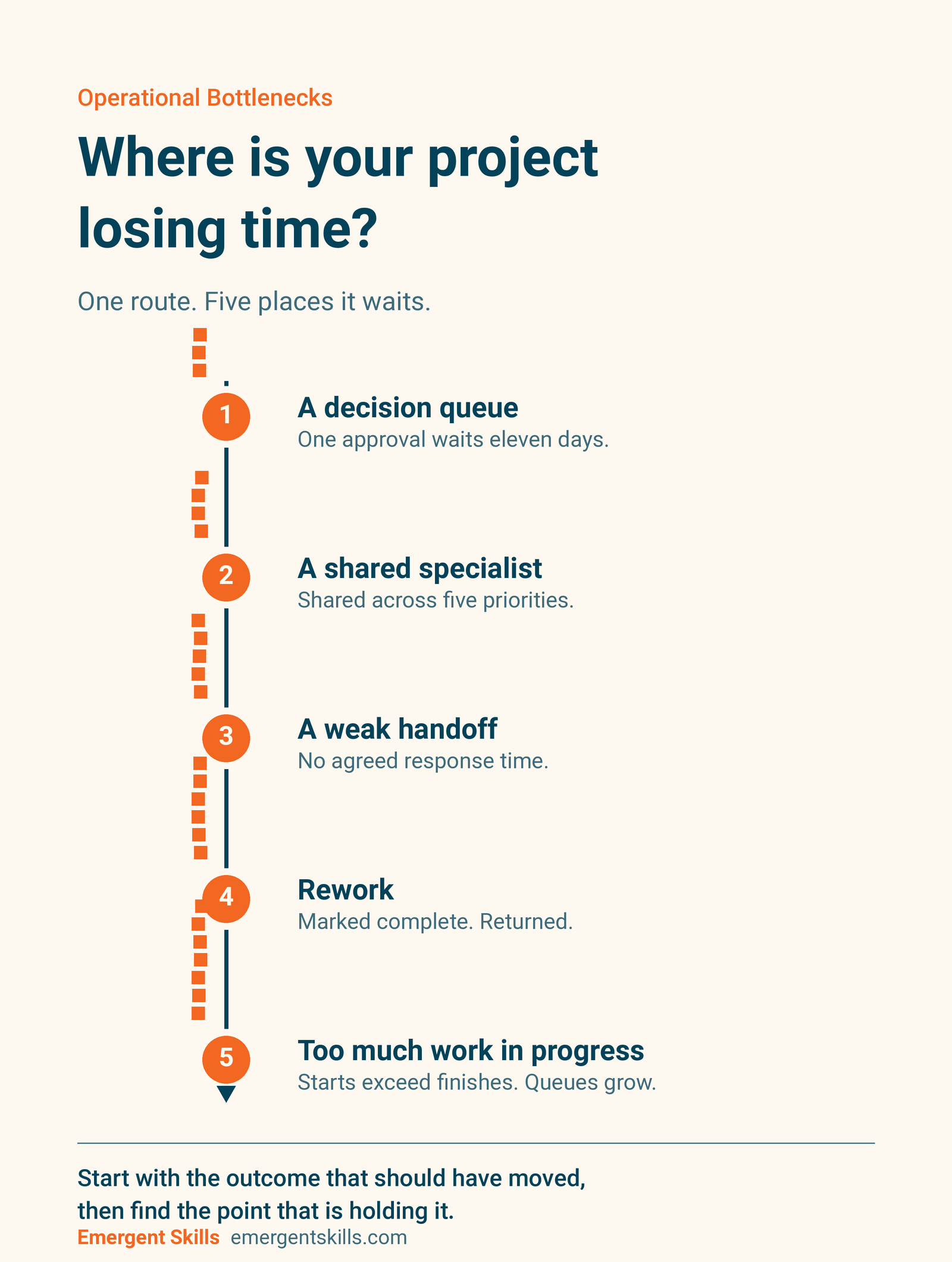
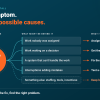
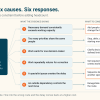
Five places operational bottlenecks form
Some are workflow bottlenecks inside a single route. Others form between teams, at handoffs and shared queues.
1. A decision queue
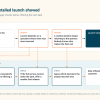
The team has done what it can, but the next step requires a decision. The request may sit because authority is unclear, several people have veto power or the designated executive has too many matters waiting for attention.
Counting decisions made will not expose this project bottleneck. Measure the age of the unresolved decision holding the next deliverable and the time between "ready for decision" and the decision itself.
2. A shared specialist
Research published in Harvard Business Review found that 3% to 5% of employees accounted for 20% to 35% of value-adding collaboration in the organizations studied. The study is a decade old. Check the pattern locally anyway.
Legal, security and procurement specialists are the usual suspects. Each assignment looks reasonable until several projects need the same person during the same week, and the people an organization depends on most become the people everyone waits for.
3. A weak handoff
A handoff is not complete merely because one team sent something. The receiving side needs to know what it owns, what "ready" means and when a response is expected.
Without those rules, the work enters an informal queue. Follow-up messages become the control system, and nobody can say with confidence when responsibility changed hands.
4. Rework
Rework returns completed work to an earlier point in the route. A requirement changed, a reviewer arrived late or the acceptance criteria were never clear enough to use.
In a 2014 study, PMI reported that 47% of unsuccessful projects failed to meet goals due to inaccurate requirements management. Treat that as a mechanism rather than a current failure rate. Unclear requirements consume capacity later, through clarification and another round of approval.
5. Too much work in progress
The fifth item is not one more bottleneck on the list. It is the condition that manufactures the other four. Every new project looks manageable considered alone. The problem appears when the same people and approval points are carrying all of them at once: the decision queue deepens and the shared specialist splits further.
In Atlassian's State of Teams 2024, 64% of knowledge workers said their teams were constantly pulled in too many directions, and 70% said fewer, more specific goals would make progress easier.
When starts exceed finishes, queues grow. People spend more time switching between assignments and keeping delayed work current. A workload dashboard may show that everyone is occupied without showing which unfinished item is setting the pace.
All five are the first of two ways execution drag reaches a result: the work path holds things up. An approval sits for eleven days. A specialist is split across five priorities. Work waits at a handoff with no response time. The people at each of those points can be doing their jobs well and the outcome still does not move.
The second way is not on the list. It goes through the people switching between the assignments the list describes. Keeping delayed work current, answering follow-up messages and repeating a clarification round all add demand, and that demand can make judgment and focus harder to use consistently. The dashboard that shows everyone occupied does not show that. Neither does a reconstructed route. Both show where the outcome waited, not what the switching did to anyone's judgment. Look for that separately, with its own evidence. Find the point holding the outcome first. It is a finding whether or not the second way is present.
Check the project before tracing the route
Not every delay is an operational bottleneck. Before examining the work path, ask:
- Is the intended outcome still valid and clear enough to trace?
- Does leadership still treat it as a genuinely chosen priority?
- Has the organization produced this result before with the capability and information it has now?
- Do the people carrying it have the required funding and authority?
- Does an external dependency control the date?
If one of these conditions explains the delay better, say so. Mapping the route of a project that should be stopped creates detail without solving anything. The same goes for one that was never specified or funded well enough to finish.
How to find the operational bottleneck
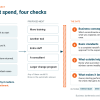
Choose the milestone or decision that matters most. Do not begin by mapping the whole organization. Reconstruct one outcome using dates already available in the project record:
- When was the work ready to advance?
- Where did it wait, and for how long?
- What caused it to reopen?
- Which delay affected the finish date?
- Did several delayed items pass through the same person or team?
Then test one change for a short period. Move a reversible decision outside the standing approval meeting. Give one handoff a written acceptance rule. Stop releasing new work to a constrained specialist until an older item clears. Assign decision authority at the lowest practical level.
Treat the first explanation as a hypothesis. If the change shortens the wait or advances the outcome, the evidence for that explanation gets stronger. If nothing changes, check whether the test was carried out as designed and revisit the trace.
Operational bottlenecks usually appear first as ordinary waiting inside an otherwise busy project.
Start with the outcome that should have moved, then find the point that is holding it.
Bring the outcome that should have moved.
In a $1,500, 90-minute Stalled Priority Snapshot, we reconstruct the route one stuck outcome took, identify the constraint controlling its date and design one 14-day change to test, with an owner and a measure.
Sources
- Project Management Institute. (2025). Step Up: Redefining the Path to Project Success with M.O.R.E. Press release, 11 December 2025.
- Cross, R., Rebele, R. and Grant, A. (2016). Collaborative Overload. Harvard Business Review, January-February 2016.
- Project Management Institute. (2014). Requirements Management: Core Competency for Project and Program Success. Pulse of the Profession.
- Atlassian. (2024). State of Teams 2024.