Operations consulting with two AI products: 1. Find out what's wrong. 2. Know before you commit. Product offers.
The result is falling short.
You're the one explaining why.
Another status meeting. Different explanations from each team. You still need to decide what happens next.
Emergent Skills investigates why projects stall, results fall short, and problems keep coming back. People usually already have explanations: the process, the people, training, priorities, workload, or the system. Any one could be right. Fund a fix on the first plausible one, and the result can stay stuck.
Before you fund the fix, find the right problem.
 Priority Snapshot: US$495 per investigation · An automated AI investigation of one important result · Online, no session to book · Up to 8 colleagues answer by email link · Written readout with a decision and action plan · Review-date check-in
For operations managers, project managers, and division leaders, in organizations of any size, who are accountable for the business result. About to commit money instead? Explore Decision Review →
Method designed by Jim Wilde, founder of Emergent Skills. Nine years as lead consultant on mta.info and the NYC subway countdown clocks. Decades in enterprise systems before that.
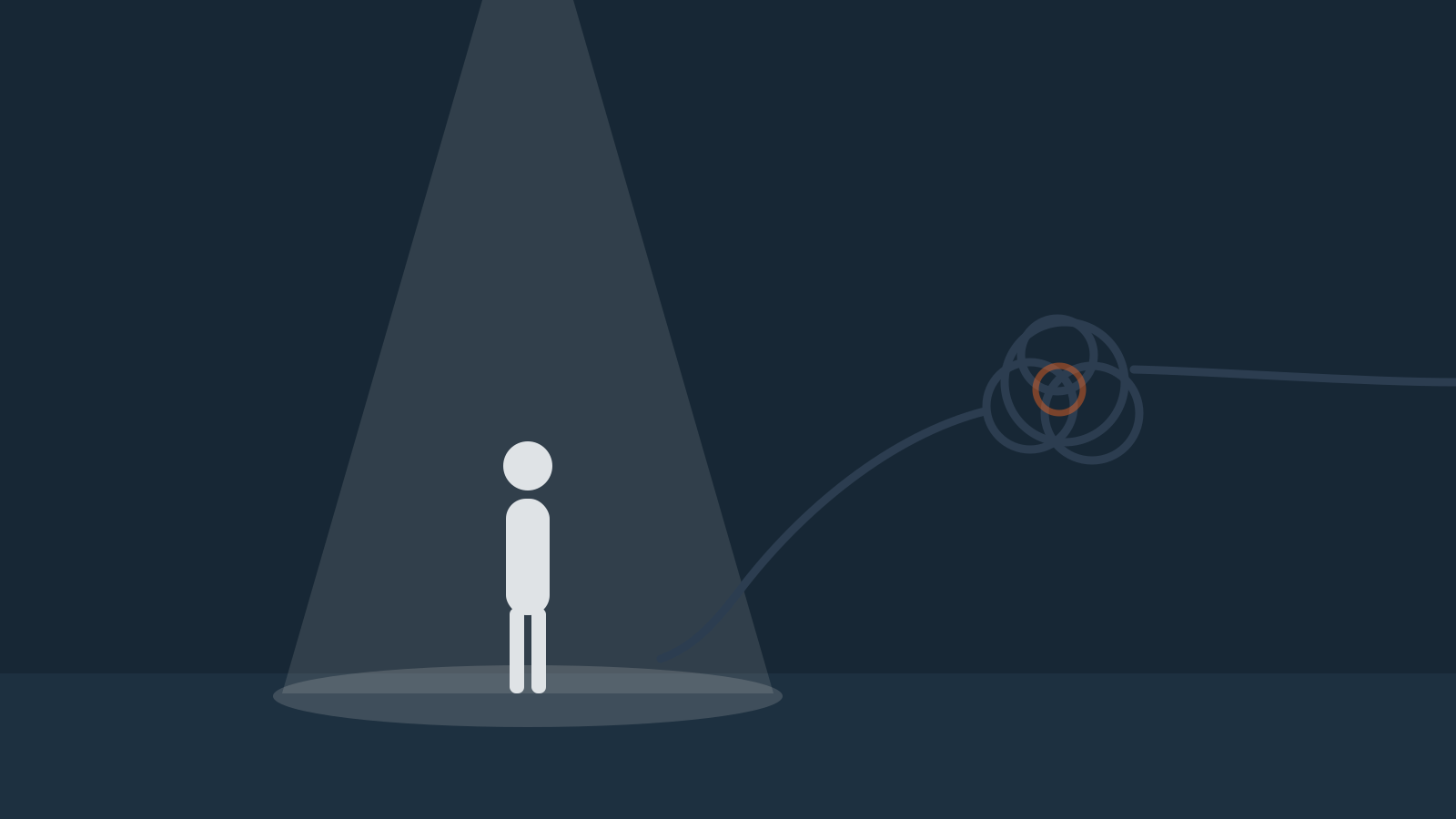
What it looks like before you have a name for it
These patterns show up when leaders ask why projects fail, and when the same operational problems keep coming back. Each one points to a problem. None proves the cause.
The team starts the day in meetings and does the real work after hours.
Every new priority stayed active. Nothing came off.
The team that delivered last quarter is gridlocked this quarter. Same people. Same skills.
Illustrative example: the work itself took four hours. Approval took nineteen days.
A completed deliverable is back for a third review because the criteria arrived late.
The new process launched on time. People still use the old spreadsheet.
The project was delivered. The work needed to make it produce the result was never assigned to anyone.
The budget is spent. The return the business case promised hasn't started.
Seven more patterns, and where to read about them
The rollout works at headquarters. The branches are still waiting.
The handoff was agreed in a meeting in June. Ask who owns it today and you get a department, not a name.
The AI pilot added review and exception work. The old process still runs beside it.
The intake got automated. The request reaches the same reviewer's queue a day sooner and waits there just as long.
The same invoice error is corrected every month. Nobody owns changing the intake rule that produces it.
Urgent work keeps shipping. The strategic initiative that defined the plan is still on the slide.
The customer who asked for it signed with a competitor while it waited for sign-off.
Operational bottlenecks can sit in resources, approvals, dependencies, or cross-functional handoffs. Workflow bottlenecks show up as waiting and rework. Slow decision-making can point to unclear authority or an overloaded decision route. Automating one step may leave the approvals, reviews and queues elsewhere unchanged, so a faster step can still leave the result late.
Stuck, partly delivered, or launched but underused? See the three situations → For work crossing departments, read the roles a strategy passes through and why it stalls.
Your other options
Three ways this gets handled.
01 Your PMO, operations team, or analysts investigate it
They know the organization and may already hold the records. If they can assemble the evidence, challenge the competing explanations, and recommend a useful next step, use them.
02 A consulting firm or operating partner scopes it
Often the right choice for wider work, or when the sponsor needs an independent finding to take back to the organization. Compare the question, the evidence, the scope, and the decision you need.
03 You wait for it to clear
The status meetings continue. So do the rework, the chasing, and the slipping milestones, and none of it shows up as a line item.
The Snapshot earns its place when the explanation is unclear or disputed, nobody has time to reconstruct the work, the problem crosses teams, or the sponsor needs a finding built on evidence rather than opinion.
What a useful investigation should do, internal or ours
1. Hear from the people who did the work, not one person's view. 2. Check figures against the record they came from. 3. Test competing explanations, not just the first plausible one, and name the ones still unresolved. 4. Give a clear estimate of the effort, with defined limits. 5. End in a decision: next steps with owners, a review date, and a point at which to stop.
Priority Snapshot · Find out what's wrong
Investigate one result that still matters, for US$495.
The Priority Snapshot is an automated AI investigation that follows a method designed by Jim Wilde. It runs online over a few days: up to 12 questions, to you and up to 8 colleagues by email link, each answer checked against the record before the next question is chosen.
It first checks that the result is still worth pursuing, genuinely a priority, resourced, and not controlled by an outside dependency. Then it looks at three places, while keeping other explanations open: the business case, capability, authority, incentives, or ordinary execution discipline.
First
The work nobody was given
Necessary work that was omitted or never assigned. We ask for a name, not a department. A job with no owner is a finding about assignment, never about a person.
Route 1
The work itself
Queues, handoffs, approvals, and rework that hold up an otherwise capable team. A work-path finding stands on its own.
Route 2
The conditions around the work
Interruptions, switching, and competing decisions. Tested, not assumed: it has to show up in errors, repeated work, reversals, or missed handoffs, assessed against four tests.
The three can feed each other. Work nobody owns waits, waiting creates chasing, and the chasing adds mistakes that create more waiting.
What you receive
A written readout: the decision first, up to three next steps, each with an owner, the approval it needs, a measure, and a review date, and a point at which to stop. Figures are recalculated from your evidence and each cost is counted once, with the arithmetic beside it. If the cause is still unresolved, the readout names the evidence or decision needed next. Around the review date, we ask what happened.
Checked before you see it
Every readout is checked against the evidence record, in code and by a separate AI review that flags unsupported claims. If the evidence can't support a full decision, you get a narrower readout that says what is established and what to do next. If a readout still fails its checks, we correct it at no charge or give you a free Snapshot.
See a finished readout before you buy one
Two invented cases, run through the Snapshot as it works today: campaign launches that went from two weeks to five, and a technician app that hasn't lifted first-time fix. They show the format, not client results. Open the sample readouts →
 See how the Snapshot works →
Decision Review · Know before you commit
You're about to commit. Is the evidence strong enough?
A new system, an AI rollout, a reorganization, or more money into work already underway. The proposal looks reasonable, but a key assumption about the expected result still needs checking.
What the review examines
One defined commitment: the evidence, credible alternatives, costs and downside, and the work required to produce the business result.
What you receive
A written decision brief: the recommendation, the evidence behind it, what remains uncertain, and what would change it. Proceed, proceed with changes, test first, get specific evidence, or don't proceed.
Decision Review is a new ES method under evaluation. Its scope, fee, and delivery timing are agreed separately.
Common questions
Who runs the Snapshot, and who checks the readout?
It is an automated AI investigation following a method designed by Jim Wilde. Your readout is generated and checked automatically, in code and by a separate AI review. Staff access your case only to investigate a system error or respond to your request for help. Every claim points to the evidence behind it, so your team can check it.
How much of my team's time does it take?
Several hours of your time over a few days, answered when it suits you. Each colleague you invite (up to 8) spends 15–30 minutes answering their own question by email link, with no account needed. The Snapshot writes and sends their questions and reminds them. Each Snapshot includes up to 12 investigation questions, plus up to 3 follow-ups at no extra charge if they are needed to complete the readout.
Is it worth it for my problem?
Bring the one you keep getting asked about: a result that still matters. Tie the shortfall to revenue, a customer delivery, or other work that matters. The value still at stake should justify both the US$495 and your team's time. The cost-of-stuck-work calculator helps you estimate it.
What if the work path is not the problem?
The initial checks come first: whether the result is still worth pursuing, whether it's a chosen priority, whether capability, information, authority, and funding are in place, and whether something outside the organization controls progress. A problem there can make a resource or leadership decision the next step. If none of the areas explains the shortfall, the readout names the strongest other explanation the evidence allows, or says the cause is still unclear and what would settle it.
What if the finding points at my team or my own decisions?
The Snapshot starts with the business result, the work, and the conditions around it. It does not assess personality or rate employees. If the evidence establishes a capability, conduct, or individual performance issue, the readout says so without guessing about motive or character.
Could my team do this with AI?
Your team can use AI to organize records and draft a map. The question is whether anyone has time to run the investigation. The Snapshot manages it for you: separate colleague responses, follow-up questions, conflicting accounts, calculations, and a traceable evidence record.
We have a PMO, a transformation office, or an operating partner. Why bring this in?
Bring it in when one important result remains unresolved after the internal review. The Snapshot covers one result, online, with a readout the result owner, the PMO, or the operating partner can all use. It doesn't replace the plan or the firm. To pay by invoice or PO, email [email protected].
What happens after the readout, and what if it fails its checks?
The action plan names each next step, its owner, the approval needed, the measure, and the review date. Around the review date, we ask what happened. No further engagement is required. A narrower readout that explains what is established and what to do next is a completed investigation. If a readout fails its own checks, we correct it at no charge or give you a free Snapshot.
How is Decision Review different from the Snapshot?
The Snapshot investigates why a result fell short and what to do next. Decision Review examines whether a proposed commitment is justified, including the next investment in work already underway.
Bring the one you keep getting asked about.
For a stuck project, a partial rollout, or a launch that hasn't paid off: the Priority Snapshot, US$495 per investigation, run online. For a proposed commitment: Decision Review.
