Stalled projects · Operational Payoff · Operations consulting + Proprietary AI Tools
What Should You Do When an Important Project Stalls?
Before you fund the fix, find out why. When a project stalls, the first explanation usually arrives before the evidence does. Here's how to test it before you hire, retrain or buy, and what a good investigation should give you.
An important piece of work is late, going round in circles, or live but not delivering. And a decision is waiting on you: hire, bring in contractors or a project manager, replace the person in charge, buy an add-on, send people on training, reset the date, or stop.
You'll recognize at least one of these:
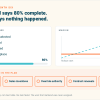
- A rollout that hasn't paid off. The new system, app or AI tool is live, but the saving or the freed-up time hasn't appeared.
- Two weeks became five. Launches, approvals or client deliverables have slowed since a reorganization.
- Several priority projects, all late. Everyone's busy, the vendors get the blame, and the dates keep moving.
- Rework without end. A policy, plan or design on its eleventh version, with every review adding comments.
- A deadline that keeps slipping, and nobody can say what really controls the date.
- Fixed, then back again. Extra staff or a one-off clear-up worked for a while, then the backlog came back.
Each of these comes with an explanation already attached. That's the problem.
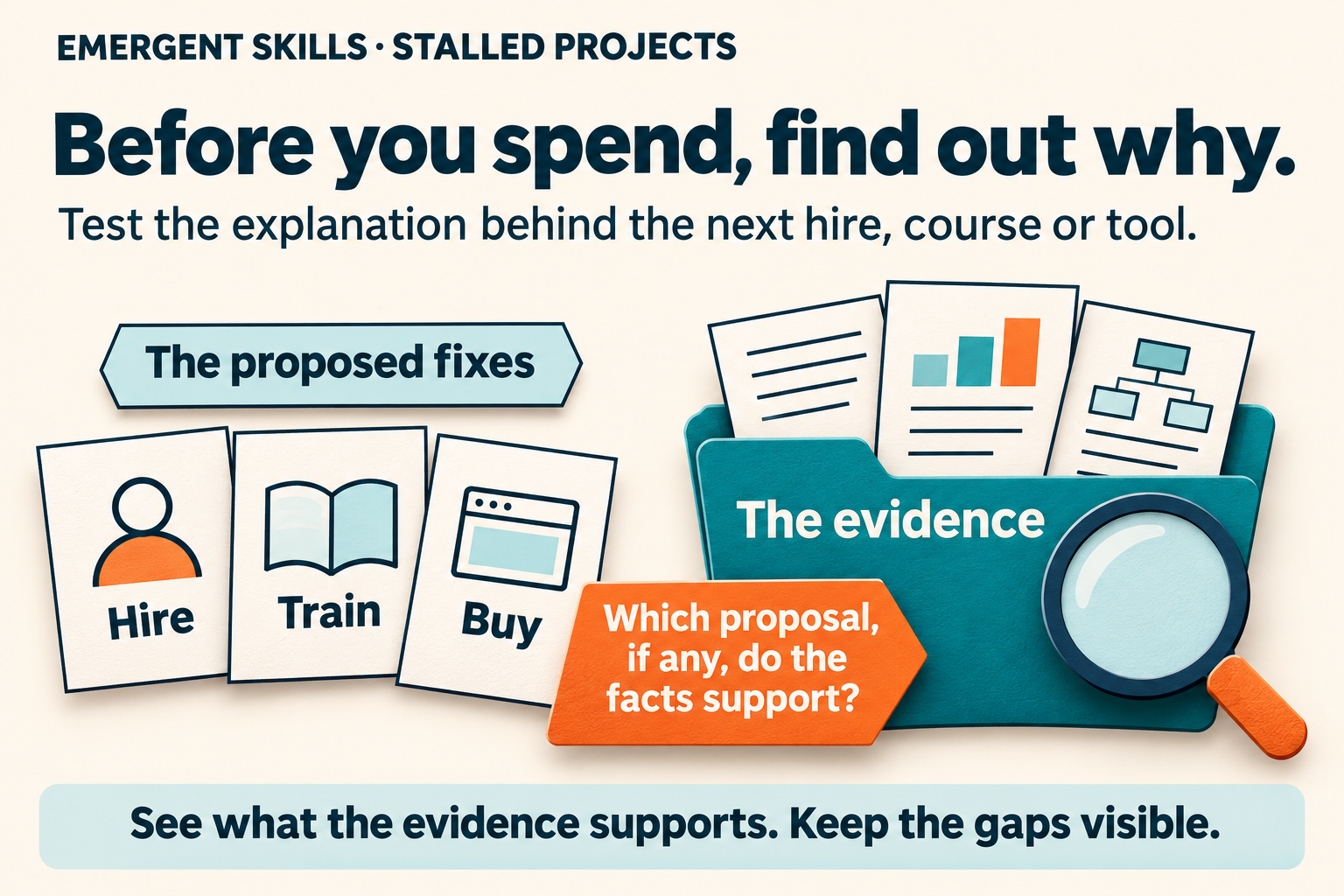
Why the first explanation is often the wrong one
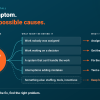
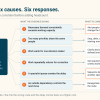
When important work stalls, an explanation arrives fast: the team has slowed down, the owner isn't pushing, we need more people, the vendor is late, people need training. Any of these could be true. None should be assumed, because each one points to a different fix, and each fix costs money.
The real cause is often less visible:
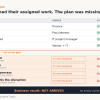
- Decisions queue with one overloaded person.
- One specialist sits on every project's critical path.
- Everything is "priority one", so nothing is.
- Nobody agreed what "done" means, so the work loops.
- The owner can't make the decision that would settle it, and nobody has asked the person who can.
- An outside party controls the date.
- For a rollout: a measure changed definition, work moved to another team, or a step was left with nobody owning it.
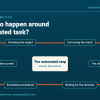
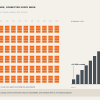
Most of the elapsed time is usually waiting, not working. Act on the first explanation and you can pay for the wrong fix, then lose months finding out.
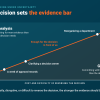
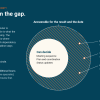
Even a clear record of where the work waits doesn't tell you why it waits there. "Approvals take nine days" shows the wait. Whether that's the approver's workload, unclear criteria, batching or requests arriving incomplete needs its own evidence.
For ten common patterns and the first thing to check for each, see Why Do Projects Stall, and What Should You Check First?
What most teams do instead
There are four usual ways to find out what's wrong. Each can be the right call. Each has a limit worth knowing.
Go with the likeliest explanation
Fast, and sometimes right. The limit: it's never tested. If it's wrong, you pay for the fix and keep the problem.
Ask your own team
Your PMO, operations team or analysts know the organization and may already hold the records. If they have the time, use them. The limit: it takes their time, and problems that cross departments are hard to see from inside one.
Bring in a consulting firm
Right for broad, company-wide work. The limit: for one stalled priority, you'd still scope an engagement, agree fees and schedule interviews before anyone starts looking.
Ask an AI chat
Fast, and good at organizing notes. The limit: you have to know what to ask, and someone still has to get separate accounts from colleagues, follow up, and check the answers against the records.
What a good investigation gives you
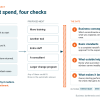
Whoever does it, your own team or someone outside, check the investigation against these five things before you act on it:
| What to expect | What it means |
|---|---|
| The people who did the work | Accounts from the people closest to each part of the work, not one person's view. |
| Evidence that's checked | Figures traced to the record they came from and recalculated, not repeated from memory. |
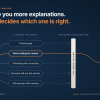
| Explanations kept open | Competing explanations tested against the evidence, with the unresolved ones named. |
| A limited demand on your team | A clear limit on the effort, and the chasing done for you. |
| A decision you can act on | Next steps with owners, the approval each needs, a measure, a review date and a point at which to stop. |
If your team can deliver all five, you don't need us. If they can't spare the time, or the cause is disputed, or the problem crosses teams, that's where the Snapshot fits.
How the Stalled Priority Snapshot does it
The Stalled Priority Snapshot is a proprietary AI tool from Emergent Skills, an operations consulting firm. It investigates one late or underperforming priority online, following a method I designed. We run the investigation; you answer what only you know, and make the decision.
1. Describe what happened
What the work is, what it was meant to deliver or when it was due, what's happening instead, and the decision in front of you. A few sentences are enough.
2. Answer one question at a time
Each round asks for something you or a colleague already has: a report, a plan, a log, what someone saw first-hand. When someone gives a figure from memory, it asks for the record behind it.
3. Bring in the people who know
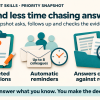
Invite up to 8 colleagues by email. Each sees only their own question and answers from a link, with no account and no meeting. We send the reminders and tell you if someone hasn't answered.
4. Get the readout
When the evidence is enough to decide, it stops and writes the readout. We email you whenever it's your turn, so you don't need to watch the page.
This process saves you time and money. You don't work out the questions, chase colleagues or reconcile their stories, and you don't fund a fix until the evidence supports it.
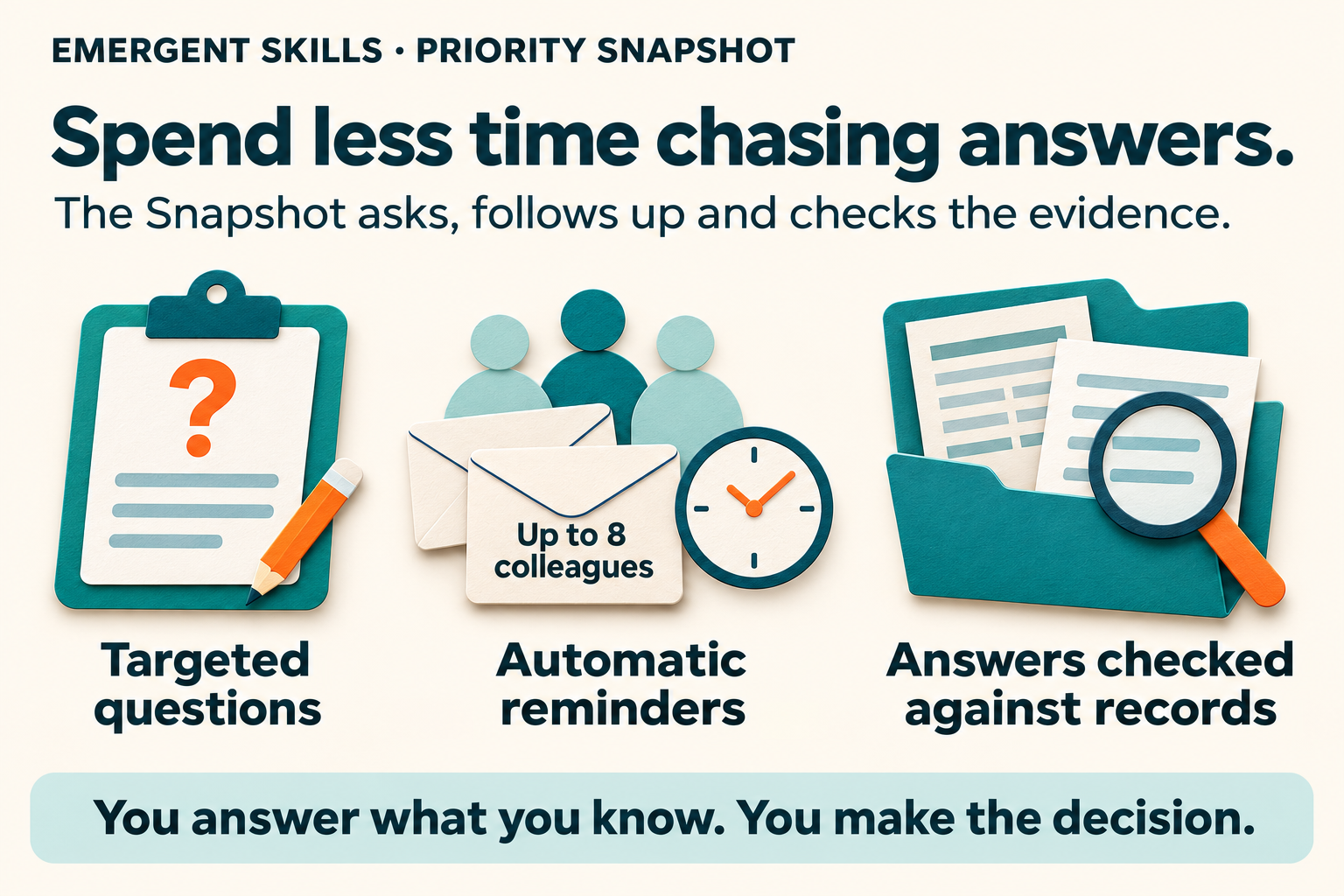
Why it's different from doing it by hand, or asking a chat
- It asks before it answers. It works from your records and your colleagues' accounts, not general advice, so the finding is about your work.
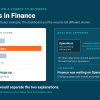
- It keeps several explanations open. An explanation is only called a cause when the evidence supports it, and conflicting evidence is kept, not smoothed over. You don't end up funding the loudest theory.
- It separates working time from waiting time, and doesn't mistake where work waits for why. You find the queue, and then what's behind it.
- Figures are recalculated in code, and every readout is checked twice before you see it: in code, and by a separate AI review that flags anything the evidence doesn't support. Your finance lead can check the numbers instead of trusting them.
- Every next step is checked for who has the authority, what it needs and what actually changes in the work. You get steps someone can carry out.
- It follows up. Around your review date, we ask what happened.
What a readout looks like
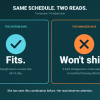
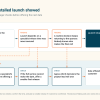
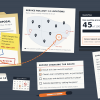
Illustrative example · fictional company, people and figures. Campaign launches had gone from two weeks to five. The manager thought the team had slowed down and was weighing a project-manager hire or a time-management course.
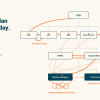
Eight evidence requests and two invited colleagues later, the readout said to fund neither yet. Approvals were queuing at the director, at a median of nine days against one a year earlier. Legal review happened only on Thursdays. The time from brief to first draft hadn't changed. The first next step: spread legal review across the week, approved by the legal-resource owner, measured by time to first comments, and reviewed within two weeks.
The readout also said what it couldn't claim: the slowdown was elapsed delay, not proven labor cost or lost sales.
The Snapshot is a new method we're still evaluating. The sample readouts show how it works on fictional cases. They aren't customer results, and we don't have any yet. Read both sample readouts in full.
Questions before you start
How much time does it take? Up to 12 questions across you and your colleagues, no more than 3 out at once, answered in short sessions over a few days. Expect to pull a few reports you already have. If something doesn't exist, say so: a missing record is evidence too.
Who sees what? Colleagues see only their own question, and their answers come back to you under their name. Staff open a case only to fix a system error or answer your request for help. Investigations are never sold or used to train AI models. See how we use investigation data.
What if the evidence points somewhere else, or at me? The readout says so. Findings are about how the work moves, not about people: it can say approvals waited nine days, but it won't rate anyone's performance.
What isn't it for? Investigating an individual's conduct or performance, legal or regulatory matters, and safety incidents.
Refunds? A Snapshot you haven't started can be refunded on request. Once started it isn't refundable, but a readout that fails its own checks is corrected at no charge or replaced with a free Snapshot. See the Snapshot terms.
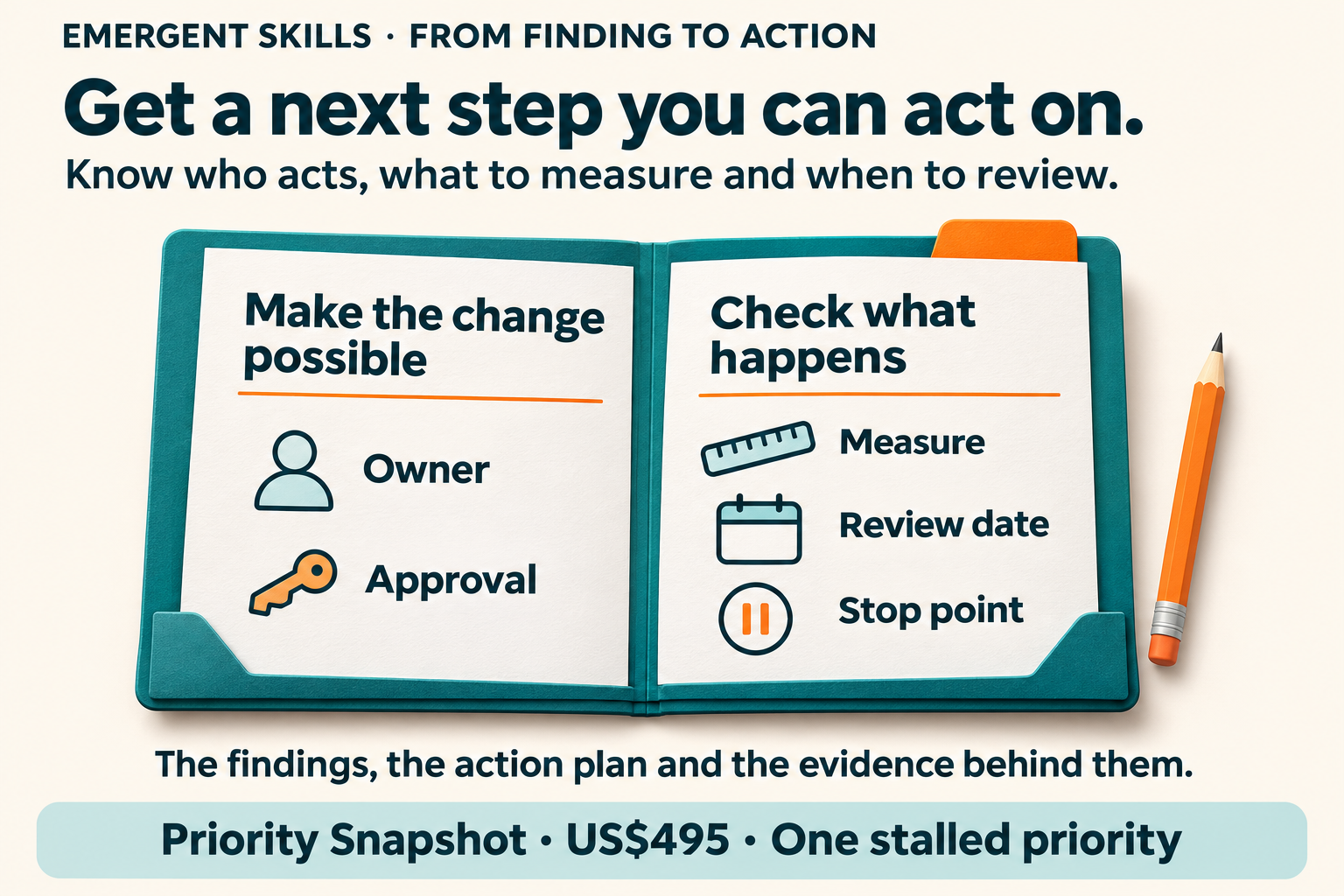
Start with one stalled priority
The Stalled Priority Snapshot is US$495 per investigation, paid by card. It runs online with no session to book, and you get a written readout with a decision, an action plan and the record behind it. Unused Snapshots don't expire. Paying by invoice or PO? Email [email protected].
Facing a commitment that hasn't been made yet? Decision Review checks the business case before the money moves.

 Projects stall, results fall short, and problems keep coming back. Trace what happened, test the explanations against the evidence, and decide what’s worth changing.