Operational Payoff · Operations consulting for stalled projects and recurring execution problems
Private Equity Value Creation: What the Project Plan Leaves Out
A pricing program can be almost complete while its expected margin is still missing. Private equity value creation depends on whether the plan includes all the work needed for the result.
Executive Summary Work left out of the plan never enters the completion calculation.
A project can complete its assigned tasks and still miss the business result. The plan may have covered installation and training while leaving customer exceptions, incentives or decision authority unresolved.
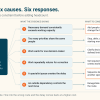
Start with the result and the assumptions behind it. Check whether the required work was planned and assigned to named owners. Then trace where work waited or returned, and whether interruptions and competing demands contributed to errors or rework. These explanations can coexist.
The next decision should follow the evidence: assign missing work, repair execution, test an explanation, investigate further or stop.
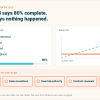
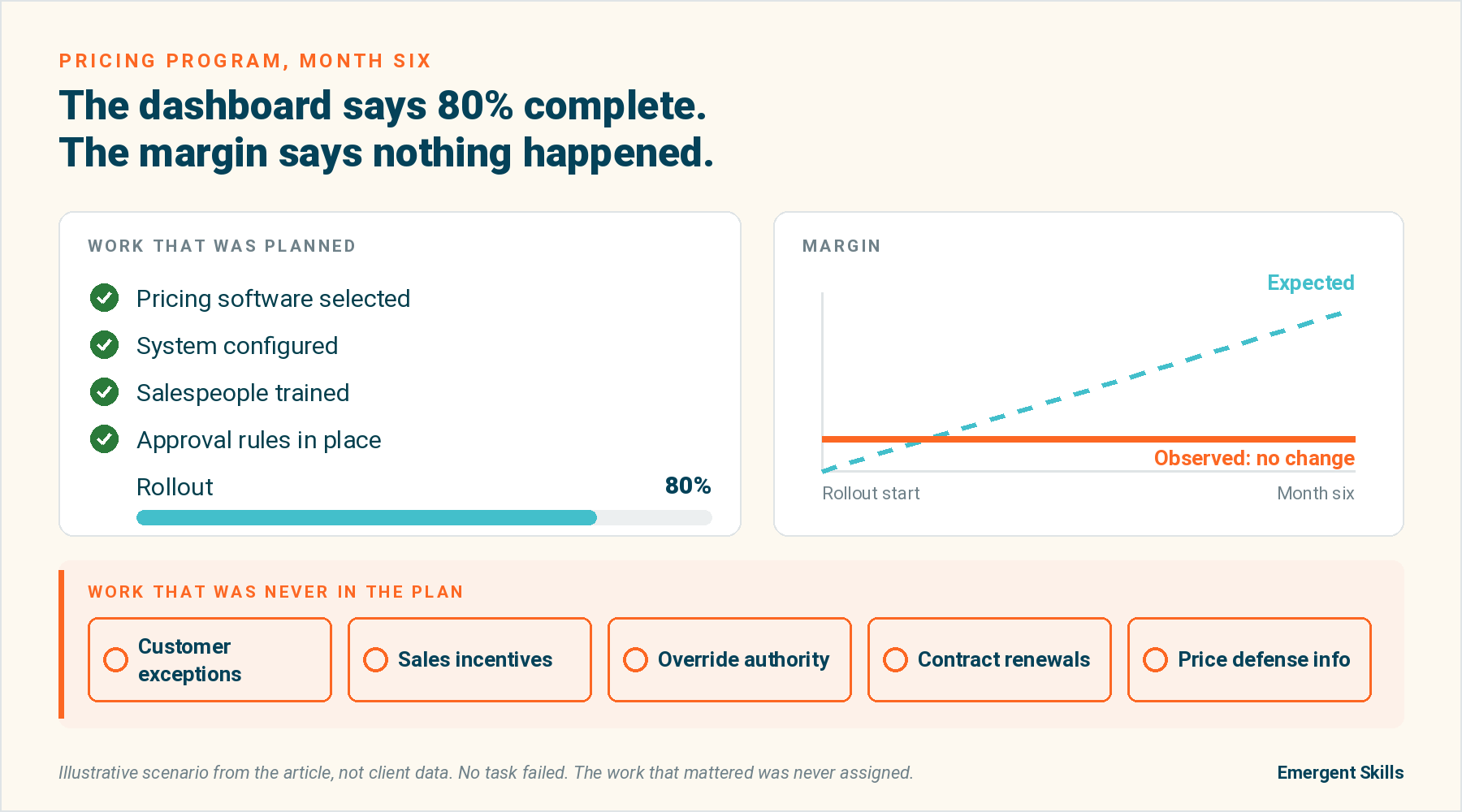
Consider an illustrative pricing program at a portfolio company. Six months in, the software is configured, salespeople are trained and approval rules are in place. The board report shows the rollout is 80% complete. The margin improvement expected by this point hasn't appeared.
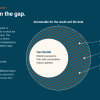
The completion figure may be accurate. It measures progress against the work someone put in the plan. It says little about whether that plan contains everything required to improve margin.
If redesigning customer exceptions was never a task, leaving it undone won't lower the completion score. Neither will unresolved discount incentives or unclear authority to override a price. The dashboard can keep improving while those gaps remain.
A task-based progress report can be accurate about an incomplete plan.
Why this matters more for private equity value creation
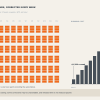
Bain's 2026 analysis illustrates the changed deal economics with "12 is the new 5." Under its assumptions about borrowing costs, leverage and valuation multiples, a typical deal now needs roughly 10% to 12% annual EBITDA growth to generate a 2.5-times return on invested capital over five years, compared with about 5% in its 2010s example. Those are model assumptions, not a growth requirement for every investment.
McKinsey's 2026 Global Private Markets Report also places more of the returns burden on operational value creation. It argues for starting that work early and sustaining it throughout ownership. For an operating partner, the implication is practical: when the investment case depends on better pricing, procurement or sales performance, a rollout percentage cannot establish that the expected improvement has occurred.
Find the work the plan may have missed
Return to the pricing example. Before commissioning another rollout push, examine the work needed to change what customers actually pay. Emergent Skills uses the Missing Work Check to ask whether that work was planned and assigned to someone by name.
The four jobs provide useful checks for an initiative:
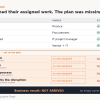
- Make it work here. Check customer exceptions, contract renewal dates and the information salespeople need to defend the price. Who owns adapting the program to those conditions?
- Fit the interfaces. Inspect approval records and decision rights. Who has settled how Sales and Finance handle exceptions, and who can override the rules?
- Take out the old process. Check whether an old discount or approval route still operates alongside the new one. Who owns retiring it once the replacement can handle the required work?
- Settle who absorbs the disruption. Review the incentive terms and the extra work the change creates. Who owns resolving conflicts between the pricing objective, sales rewards and the effort required to handle exceptions?
These questions identify work to examine. They don't establish that it is missing. Check the plan, decision records and accounts from the people doing the work; some responsibilities may have been assigned elsewhere. An unowned-job finding needs evidence and a source. A department name alone doesn't identify the person responsible.
Check each step between delivery and value
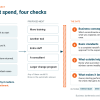
A pricing initiative has several different results to establish:
- Delivery: the system and rules are available.
- Adoption: people use them in the work the initiative was meant to change.
- Operating performance: actual pricing and exception handling change as intended.
- Financial value: those changes produce the expected margin improvement.
Evidence at one stage doesn't settle the next. Compare the business case with actual transactions and the expected timing of the benefit. Existing contracts may delay a price change; changes in costs or sales mix may obscure its effect. A margin shortfall alone doesn't tell you which explanation fits.
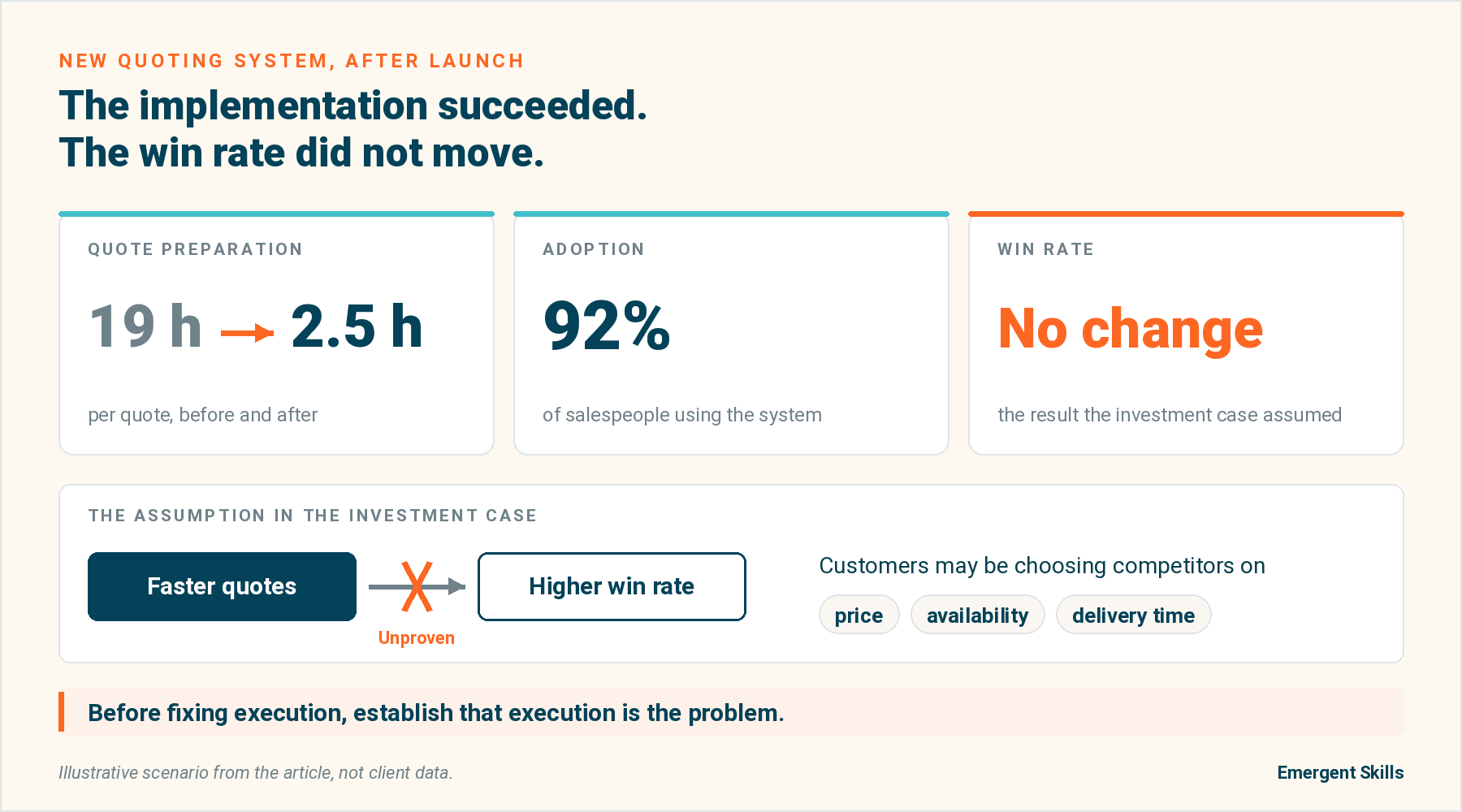
The original assumption may also be wrong. In a separate illustrative scenario, a new quoting system cuts preparation time from 19 hours to 2.5, and adoption reaches 92%. The win rate doesn't move. If customers are choosing competitors on price, availability or delivery times, faster quotes may not address what is deciding the sale.
That possibility needs customer and sales evidence. More training or faster rollout would need a reason of its own.
Trace what happened to the work
Before choosing an explanation, retain the Initial Investigation Checks: is the intended result still valid, is the initiative still the right priority, were information, capability, authority and funding available, and did an external dependency change?
Missing work can coexist with problems in work already assigned. Finding an unowned job doesn't settle the rest of the investigation.
Where the work gets stuck
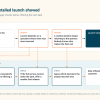
For Route 1, reconstruct actual requests and decisions. In the pricing example, follow an exception from submission through approval and back to the salesperson. Record where it waited, why it returned, which information was missing and whether a decision reopened. "Delayed" is a status; those records explain what happened.
How work demands affect execution
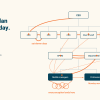
For Route 2, examine whether interruptions, switching and competing decisions contribute to errors, reversals or missed handoffs. Compare performance with a sustained baseline, look for errors clustering under particular demands, and check whether others exposed to the same conditions show the pattern.
Busyness alone doesn't establish a cause. Reversibility requires changing the relevant conditions and observing what follows, while accounting for other changes. Unclear standards, missing skills, incentives or inadequate staffing may explain the problem better.
Make the next decision proportionate to the finding
Before the next review, select one initiative whose expected result is falling short. Bring the business case, current plan and records of actual work. Trace each required operating change to its evidence and a named owner.
If required work is unassigned, define the job and give its owner the authority, time and support to do it. If work is waiting or repeatedly returning, test a specific change to that path. If the business assumption no longer holds, revise the case or stop.
Agree what should change, who can approve the action, how much effort it requires and when to review the result. Watch for costs the fix could move elsewhere. Faster pricing approvals, for example, need to be assessed alongside discounting and margin.
Use the smallest action capable of answering the question or addressing the supported problem. That may be a limited test; it may require substantial work. A short investigation can also end with a precise request for evidence it couldn't establish.
Before funding the next fix, establish what work must change for the expected result to become possible, and who can make that change.
Investigate one initiative before choosing the next fix
Emergent Skills investigates why important work isn't producing the expected business result. The Stalled Priority Snapshot examines one result, including missing work, the work path and the demands surrounding execution.
The $1,500 Snapshot includes a 90-minute session with up to three participants, a written assessment within 24 hours and a 15-minute walkthrough. The assessment states what the available evidence supports, what remains uncertain and the next justified action. It does not establish every cause in one session.