
Connection & Communication Skills
When Your Coworker Says "Can We Talk?" and Your Brain Hits the Panic Button
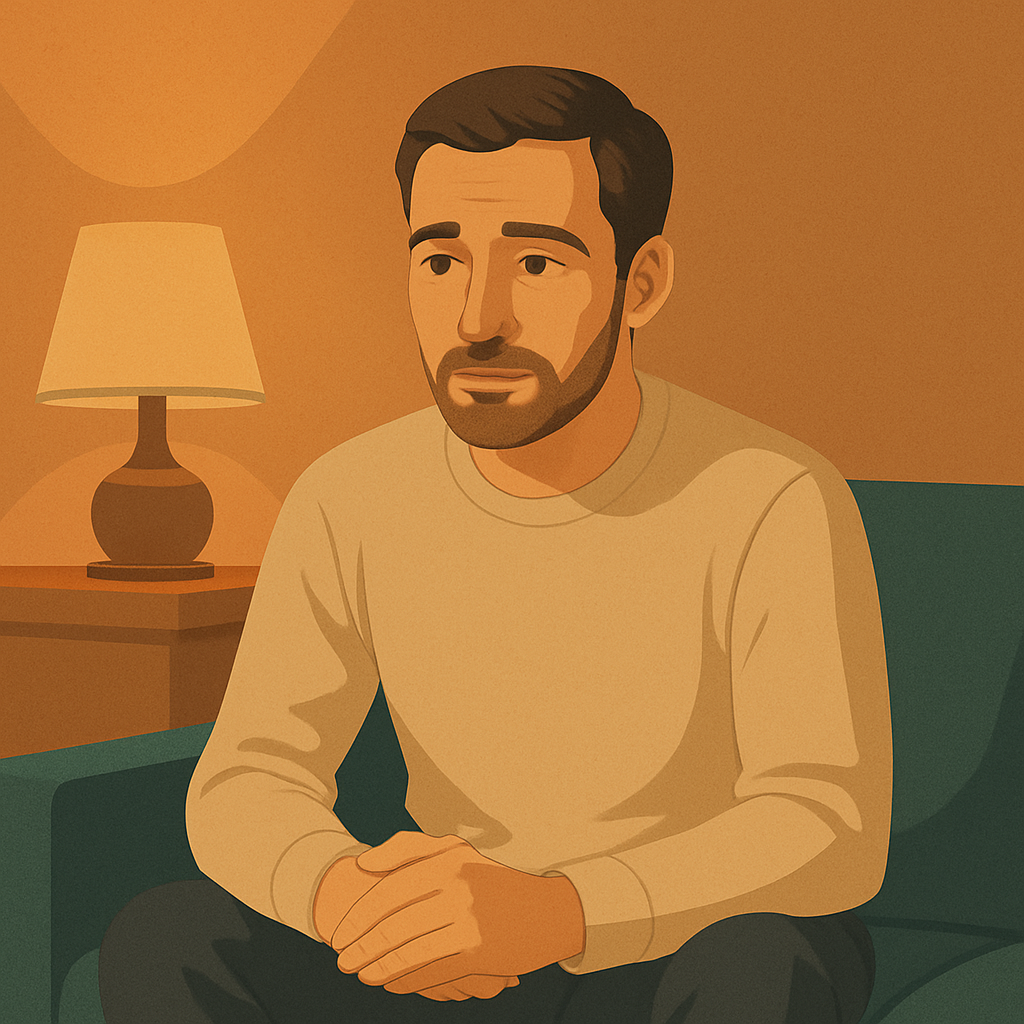
So I'm sitting at my desk, coffee still warm, when the Slack notification pops up: "Got a minute to chat about the project?"
My chest does that thing. You know the one. Like someone just cranked up the gravity in the room.
It's 9:47 AM on a Tuesday and I'm already catastrophizing. Are they mad about my last email? Did I miss a deadline? Am I about to get thrown under the bus in front of everyone?
Except this time, instead of spending the next hour doom-scrolling LinkedIn while pretending to work, I actually handled it. Like an adult. With actual skills.
Wild, right?
The difference wasn't some meditation app or motivational poster. It was a 30-minute session that taught me how workplace conflicts actually work—and more importantly, how my brain turns minor feedback into career-ending disasters. I learned this through Connection & Communication skills that literally rewired how I handle tough conversations at work.
The Real Problem: We're Running Meetings Like It's Fight or Flight
Here's what nobody tells you about workplace conflicts: that tightness in your chest isn't about the actual conversation. It's your brain treating a project update like a saber-toothed tiger.
I discovered this while going through something called the 2-Minute Reframe technique. Basically, when your body goes into panic mode over a meeting request, you've got two minutes to catch your brain making stuff up. My personal favorite? "They're scheduling this meeting to fire me." (They wanted to discuss lunch orders.)
Think about your last "difficult" conversation at work. What story did your brain tell you?
- They hate my work = They have feedback on one slide
- I'm getting demoted = They need to adjust project scope
- Everyone thinks I'm incompetent = They asked for clarification on an email
The gap between what's actually happening and what our stress-brain invents? That's where all the suffering lives.
How 30 Minutes Changed My Entire Meeting Game
Look, I was skeptical too. Thirty minutes to fix my tendency to mentally quit my job every time someone says "actually..."? Sure.
But here's what I learned that actually stuck:
The CBT Thought Check
Turns out there's always a split second between "Can we talk?" and full panic where your brain inserts complete fiction. Learning to catch that moment is like getting glasses after years of thinking everyone was just naturally blurry.
Last week, my manager said "Let's sync on priorities" and my brain immediately went to "You're not meeting expectations." I caught it. Questioned it. Turns out she wanted my input on Q2 planning. Revolutionary concept: sometimes people just want to talk.
The Notice-Without-Reacting Thing
This changed everything. That chest tightness during tough conversations? It's not an emergency—it's just data. Like your laptop fan spinning up. Annoying? Yes. Crisis? No.
Precision in Communication
Instead of "I'm upset about the project," I learned to say "I'm feeling overwhelmed by the timeline and need help prioritizing." Turns out when you actually tell people what you need, they can actually help. Who knew?
Why Companies Are Losing $8.8 Trillion (Yes, Trillion) to This Problem
Recent data shows a global $8.8T productivity loss from disengagement and widespread burnout—and it's not because we don't have enough Slack channels.
(Actually, scratch that—it's definitely partly the Slack channels.)
But seriously, research from behavioral science shows that brief interventions teaching these exact skills help people:
The thing that gets me? We spend years learning technical skills but zero time learning how to have a conversation when the stakes feel high.
Your Next Difficult Conversation Can Actually Go Well
Picture this: Your colleague pings you about "concerns" with your work. But instead of:
The Old Way:
- Panic
- Defend
- Spiral
- Update resume
- Avoid them for a week
You actually:
- Take a breath and catch the catastrophic story
- Notice the physical panic without letting it drive
- Ask what specifically needs attention
- Listen to the actual issue (not your anxiety's version)
- Work together on solutions
This isn't fantasy. This is what happens when you have the right life skills. And yes, you really can learn them in less time than your average pointless status meeting.
The Part Where I'm Honest About This
I still sometimes panic when I see "Can we talk?" in Slack. I still occasionally draft resignation letters in my head during feedback sessions. Last Thursday I spent ten minutes convinced I was getting fired because someone used a period instead of an exclamation point in their email.
But now I catch myself. I use the 2-Minute Reframe. I notice the stories my brain's making up. And most importantly, I don't let those stories run the show.
My last "difficult conversation"? Turned out my colleague wanted to praise something I'd done and ask if I could help their team with something similar. I'd spent an hour beforehand preparing my defense for... a compliment.
Here's What You Can Do Right Now (Before Your Next Awkward Standup)
Before your next workplace conflict—because there will be one, that's not pessimism, that's just... work:
- Notice your patterns: What story does your brain tell when someone critiques your spreadsheet? That's your baseline catastrophe setting.
- Name what's really happening: Instead of "They hate me," try "They have questions about cell B42." Specificity kills anxiety.
- Try the magic question: "Can you help me understand what you need?" works for everything from deadline clarification to fixing the printer.
But honestly? The fastest way to stop turning every Teams notification into an existential crisis is to learn from people who've distilled decades of research into skills you can actually use. Not theory. Not meditation. Actual tools that work when Brad from accounting wants to "align on process improvements."
The Bottom Line on Workplace Communication
Every job has conflicts. Every team has that one person who starts emails with "Per my last email." Every professional has sat through feedback that felt like character assassination but was actually about font choices.
That's not failure. That's Tuesday.
But with the right life skills—ones you can learn in literally less time than a lunch break—conflict becomes collaboration. Panic becomes problem-solving. "Can we talk?" becomes... just a conversation.
Learning new skills brings purpose back to work, and honestly? Learning to not panic every time someone schedules a "quick sync" might be the most valuable skill I've ever developed.
Your next difficult conversation is coming whether you're ready or not. Might as well have tools that actually work.
Transform Your Workplace Communication Today
Join thousands who've learned to handle difficult conversations with confidence.
P.S. - That meeting I was panicking about at 9:47? They wanted to compliment my work and give me a more interesting project. I'd already mentally packed my desk. Now I just laugh about it. Because transformation really can start with learning how to not freak out when someone says "Got a minute?" Even—especially—when you're currently hiding in the bathroom reading this to avoid a conversation. (I see you. It gets better.)