

Mindset Shift

mindset shift

That Tuesday My Brain Just... Left

Look, I'm gonna tell you about the time I forgot how to speak English in front of 47 people who control my salary. Fun times.

Middle of Q3 review. Standing there with my stupid little clicker. The word "revenue" - which I literally say 47 times a day minimum - gone. Just gone. Like my brain took an Uber to the airport without telling me.

Sarah from marketing is doing that thing where she mouths words at me. Made it worse. The CEO did his pen tap thing (always three taps, never two, never four) and I made this weird clicking sound with my tongue and sat down.

That was it. That was my Q3 presentation.

Your Brain Is a Liar (But Like, a Convincing One)

Couldn't sleep that night obviously. Found myself reading about confidence and handling pressure at 2 AM because that's when we make our best life choices.

There's this thing about mindset shifts that sounds like wellness blogger BS but hear me out - what if "I always mess up presentations" isn't actually true? What if it's just this really believable story I keep telling myself? Like when my nephew insists he's Batman. Except less fun and more career-limiting.

Actually, wait—

This is what Emergent Skills teaches. Your thoughts aren't facts. Which, yeah okay Captain Obvious, but try remembering that when your amygdala thinks the boardroom is full of actual bears who want to eat you.

Three Things That Helped (Sort Of)

Downloaded the app at 11 PM. The AI coach asked what specifically makes me panic.

Turns out? Not all presentations. Just ones where people take notes. Something about watching people document my failures in real-time. Cool. Super normal.

Here's what it taught me:

The "Yet" Thing

You just add "yet" to your disaster thoughts. "I can't do presentations" becomes "I can't do presentations yet." Felt stupid at first but after a week my brain started doing it automatically. Caught myself thinking "I don't know how to manage panic yet" instead of "I'm broken forever."

Is that progress? I honestly don't know.

Netflix Your Thoughts

This one's weird. When panic starts, you imagine stepping outside yourself and watching your thoughts like they're a really boring show. Tried it Thursday when I felt the spiral starting. "Oh look, there's the thought about forgetting everything. Interesting."

Didn't stop the panic but created enough space to keep talking. Said "financial outcomes" instead of "revenue." Whatever, close enough.

Evidence Check

My brain: "Everyone knows you're incompetent"
Reality: Do they though?

Evidence for: forgot "revenue" that one time
Evidence against: literally have a job??? Get paid??? Haven't been fired??? Actually got promoted twice???

So basically my entire self-concept is based on one Tuesday. Cool cool cool.

The Stuff They Should Actually Teach Us

Look, we spend 12 years learning the mitochondria is the powerhouse of the cell but nobody mentions that your thoughts might be actively lying to you?

These are basic life skills. Like knowing the difference between "I feel anxious" and "I AM anxiety incarnate, destroyer of presentations."

Emergent Skills gets this. No journaling about your inner child for six months. Just stuff that works right now, in the middle of your meltdown, while Sarah from marketing is still mouthing "REVENUE" at you.

What Changed (Spoiler: Not Everything)

Three months later. Still panic? Yep. Still forget words? Called our CFO "money boss" last week. Still hate presentations? With the fire of a thousand suns.

But.

I catch it faster now. When my brain says "You always—" I hear it. Sometimes I even remember the yet thing. The watching-your-thoughts thing works maybe 60% of the time, which beats 0%.

Last Tuesday (anniversary of The Incident), presented Q3 results. Remembered revenue. Forgot "implementation" instead. Progress tastes weird.

It's Not Magic (Unfortunately)

I'm not transformed. Didn't become a TED talk person. Still practice presentations in my car at stoplights. But there's this tiny space now between the panic and the complete shutdown.

Just enough room to remember that "I'm Bad At Presentations" is a story, not my permanent identity. That maybe there are other stories.

Actually had someone ask a follow-up question last week and I... answered it? With words? In the right order? Revolutionary.

Why This Actually Works

They call them "brief interventions" which sounds medical but basically means you learn the thing and leave. No homework you'll ignore. No 12-week commitment you'll abandon after week two.

Perfect for my brain that starts approximately 47 things and finishes maybe 3.

One session. Learn the techniques. Practice when you remember. Which for me is usually mid-panic, but that's apparently fine.

How this works.

Your Disaster Story Isn't the Only Story

If you're reading this at 3 AM, practicing your presentation for the 19th time—

Your brain is telling you stories. Super convincing ones. But "I always mess up" is just a thought wearing a facts costume.

Emergent Skills won't turn you into someone who loves public speaking. (Thank god, those people are suspicious.) But it might help you see that your current story—the one where you're uniquely terrible—is just one version.

And stories can be edited.

Even if you can only add "yet."
Even if progress means forgetting "implementation" instead of "revenue."
Even if you still practice in your car and the guy in the Honda thinks you've lost it.

That's still different than before.

Ready to Edit Your Story?

Your brain's been telling the same disaster story on repeat. Maybe it's time for a new narrative.

Start Your Free Session →

P.S. - Yeah I still practice in my car. But now I practice the observer thing too. Definitely look crazy. But like, crazy with techniques? That's something.
Start Free 30-Minute Reset 

Life Skills - Emotional Intelligence - Soft Skills

The Emergent Skills Program (Yeah, There's Actually a Method to This)

Look, I get it. Another program. Another system. But here's the thing — these 10 pillars? They're literally everything that's been kicking my ass for years, organized into something that actually makes sense. Especially when you're stuck in 🟡 Yellow Zone at 2 PM wondering why basic tasks feel like calculus.

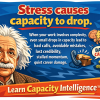
Here's what nobody tells you: tools require resources you don't always have. That's not a character flaw. That's capacity depletion. And it's why we built everything around Capacity Intelligence™ — the ability to recognize what you actually have to work with and match tools accordingly.

Thirty minutes to stop the spiral. Thirty days to start the fix. Stick around longer if you want to actually master it. Works even when you're 🔴 Red Zone. Maybe especially then.

So I discovered something at 3 AM last Tuesday. Every single panic spiral, every frozen presentation moment, every "why can't I just DO THE THING" — it all fits into one of these 10 categories. And apparently LinkedIn says these are the exact skills that get people promoted? Wild.

The kicker: We use AI coaches exclusively. No awkward video calls with Brad the life coach at 7 AM. Just you, your brain, and an AI that remembers your specific flavor of panic. Plus it scales to whatever Zone you're in — full version when you're 🟢 Green, tiny version when you're Red and just trying not to cry in the bathroom.

That's Capacity Intelligence™ in action: recognizing your actual resources in real-time and using capacity-matched tools instead of forcing Green Zone solutions on a Red Zone brain.

OK So Here's What Nobody Tells You

Every single one of these skills? Connected. Fix your sleep, suddenly you can focus. Manage stress, confidence goes up. It's like your brain has been playing life on hard mode and someone finally showed you the settings menu.

The real secret? All these skills are about moving up through the Zones. Spending more time in 🟢 Green, less time in 🔴 Red, knowing what to do when you're stuck in 🟡 Yellow.

That's Capacity Intelligence™: operationalized self-awareness. Not just watching yourself struggle — doing something about it.

The Zones Framework™ — Your Capacity Intelligence™ Operating Manual

Here's what most productivity advice gets wrong: it assumes you're always at peak capacity. Morning routines, meditation apps, time management systems — all designed for Green Zone brains with cognitive resources to spare.

But 44% of professionals report daily stress at work. That means nearly half the workforce is regularly operating in Yellow or Red Zone. Tools designed for Green Zone fail exactly when you need them.

  • 🟢 Green Zone (7-9): Capacity mode — focus, empathy, creativity all online. Full tools work here.
  • 🟡 Yellow Zone (4-6): Strain mode — high effort, diminishing returns. Need simpler, right-sized tools.
  • 🔴 Red Zone (1-3): Survival mode — executive function offline, body-first tools only.
  • Can't-Even Zone (0🪫): Shutdown — system offline. Rest is the only intervention.

Every tool in Emergent Skills scales to your Zone. Because "just do better" doesn't work when your nervous system's in survival mode. That's not motivation failure — that's asking Yellow/Red Zone people to use Green Zone solutions. Capacity Intelligence™ breaks the cycle.

What Is Capacity Intelligence™?

It's the meta-skill that makes every other skill accessible. The ability to:

  1. Recognize your actual resources in real-time (Zone awareness)
  2. Match tools to your current state, not where you "should" be
  3. Measure if it worked (the feedback loop everyone skips)

This isn't self-awareness. It's operationalized self-awareness — observation + strategic action + validation. Not a thermometer (tells you the temperature). A thermostat (tells you the temperature AND does something about it).

The Emotional Intelligence Part

  • Finally understanding WTF you're feeling. Red? Yellow? Green? Changes everything. That's Zone awareness.
  • Not letting emotions hijack your whole day. Recognizing Red Zone spirals before they eat your afternoon.
  • Reading rooms without being creepy. Sensing other people's Zones equals social intelligence.
  • Navigating office politics like an adult. Requires Yellow/Green minimum.

The Career ROI Part

  • Showing up consistently. Bare minimum, still counts. Yellow Zone reliability beats Red Zone heroics.
  • Speaking without your voice shaking. Yellow/Green vocal control equals executive presence.
  • Being the calm one when shit hits fan. Staying Green while everyone else goes Red. That's Capacity Intelligence™.
  • Actually collaborating, not just cc'ing.

The Science-y Part

  • Your patterns aren't your personality. They're just Red Zone survival habits that stuck.
  • Interrupting spirals before they start. Catching Yellow before it crashes into Red. Operationalized self-awareness.
  • Techniques based on actual research. Polyvagal theory equals Zones Framework™ in fancy language.
  • Building new neural pathways. Teaching your nervous system Green exists.

McKinsey says improving workplace health could unlock $3.7–11.7 trillion in global value. For you? More energy, better focus, being the one who gets tapped for opportunities while everyone else is burning out.

You're in Green/Yellow while the competition's stuck in Red. That's not talent. That's Capacity Intelligence™.

The AI coach doesn't judge when you practice the same anxiety technique 47 times at 3 AM. No awkward "how does that make you feel" conversations. Just you, figuring out how to stop self-sabotaging, one 30-minute session at a time.

And it scales to your Zone. Full coaching in Green, bite-sized basics in Yellow, survival mode scripts in Red. Because you can't "think positive" your way out of a nervous system state, but you can give it capacity-matched tools.

Pick Your Biggest Problem & Start Fixing It

Thirty minutes to stop the spiral. Thirty days to start the fix. Stick around longer to master it. 
(Works in any Zone. Especially the bad ones.)

Learn the Zones Framework™ →  |  Explore Capacity Intelligence™ →  |  See the Research →

Start Free 30-Minute Reset