
Stop Asking "Have You Done This Before?"
It's Not Even the Right Question Anymore
Experience tells you where someone has been. Attributes tell you how they tend to think. But neither reveals whether any of that is actually accessible right now.
I was reading a Forbes piece about attribute-first hiring and it made a point I've been circling for months but couldn't land.
Here's the traditional talent question: Have you done this before?
And here's the slightly better version everyone's migrating to: Do you have the right attributes?
But neither of them actually works. And I finally figured out why.
When the "Right Person" Still Fails
I've been in meetings where someone gets promoted because they crushed it in a previous role. They had the experience. They had the adaptability. They interviewed well. Everyone agreed: this person has what it takes.
Six months later they're burned out, their team's imploding, and HR's doing damage control.
What happened?
They had the attributes. They had the track record. What they didn't have was capacity.
The Missing Variable Nobody's Measuring
Attributes are capacity-dependent.
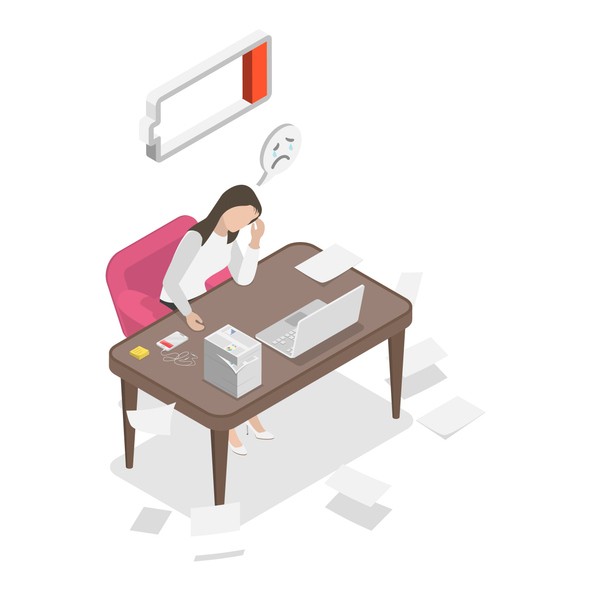
Adaptability doesn't work when you're running on four hours of sleep and three back-to-back crises. Curiosity collapses when your working memory is full. Emotional regulation? Please. Mine disappears somewhere around 2pm on Wednesdays.
The Numbers That Should Concern Us
Gallup says 77% of the global workforce is disengaged. That's not a motivation problem. That's a capacity problem. You're asking 🟡Yellow Zone people to perform at 🟢Green Zone levels and then wondering why the numbers aren't moving.
That $8.8 trillion in lost productivity everyone keeps citing? That's not lazy workers. That's depleted workers pretending they're not depleted because admitting it feels like failure.
Why Experience Stopped Being Enough
The traditional question—"Have you done this before?"—made sense when work was predictable. When you could learn something once and ride that expertise for a decade.
That world is gone. Strategies expire mid-quarter. Tools change while you're still learning the old ones. Job descriptions get rewritten faster than anyone can keep up with them.
Experience tells you what someone accomplished under yesterday's conditions. It tells you almost nothing about what they can handle tomorrow.
So companies got smarter. They started looking for attributes instead. Adaptability. Curiosity. Judgment. Collaboration. The soft skills. The power skills. The "enduring human capabilities" that McKinsey keeps writing about.
The Flawed Assumption Behind Attribute Hiring
Here's what attribute-first thinking assumes:
- If someone has adaptability, they can access it whenever needed.
- If someone has emotional regulation, it's always available.
- If someone has good judgment, it works under pressure.
That's... not how humans work.
I know adaptability is one of my strengths. I've been adaptable my whole career. But last month when three projects crashed simultaneously and I hadn't slept properly in a week? My "adaptability" looked a lot like panicked firefighting and snapping at people in Slack.
The attribute was there. The capacity to access it wasn't.
44% of professionals report daily workplace stress—that's a record high. 76% have experienced burnout. And those people aren't somehow personality-deficient. They're not missing attributes. They're capacity-depleted. When you're running on empty, even your strongest skills become inaccessible—which is exactly why building emotional resilience matters as much as building competence.
The Better Questions to Ask
Not "Have you done this before?" (Experience decays too fast.)
Not just "Do you have the right attributes?" (Attributes require capacity to express.)
Try this sequence instead:
What capacity state is this person in right now?
Are they in 🟢Green Zone (resourced and ready), 🟡Yellow Zone (managing but stretched), or 🔴Red Zone (running on fumes)?
What demands are we about to place on them?
New projects, additional responsibilities, stretch assignments—what's the actual load we're adding?
Do we need to help them recover capacity before expecting adaptation?
Sometimes the best performance intervention is rest, not training.
Are we matching our expectations to their actual state?
Or to some idealized version of it?
What Changes When You Add Capacity to the Equation
This isn't about lowering standards. It's about being realistic about human operating systems.
High-potential employees stop "mysteriously" burning out
Because someone noticed they were depleted before the crash.
Development programs actually stick
Because you delivered them when people had the capacity to learn. Most workplace training assumes you show up at peak capacity—but that's rarely who's in the room.
Leaders learn when to push and when to stabilize
Because they learned to read the room's actual state, not its calendar.
Performance issues get addressed earlier—without blame
Because "underperformance" often means "capacity mismatch" and you can do something about that. Understanding how to manage stress and maintain work-life balance becomes a leadership skill, not just a personal one.
The Question That Actually Matters
Experience tells you where someone has been.
Attributes tell you how they tend to think.
Capacity tells you whether any of that is actually accessible right now.
The future of work isn't about finding people with the most impressive track records or the perfect competency profiles. It's about organizations that understand human capacity fluctuates. That attributes only express when there's enough in the tank. That adaptability has to be supported, not just assumed.
Not "Have you done this before?" The real question is: "Can you handle what's coming next?" And then actually caring about the honest answer.
That's Capacity Intelligence™
And nobody's teaching it yet—until now. The Zones Framework™ gives you a practical way to recognize capacity states and match your approach accordingly.